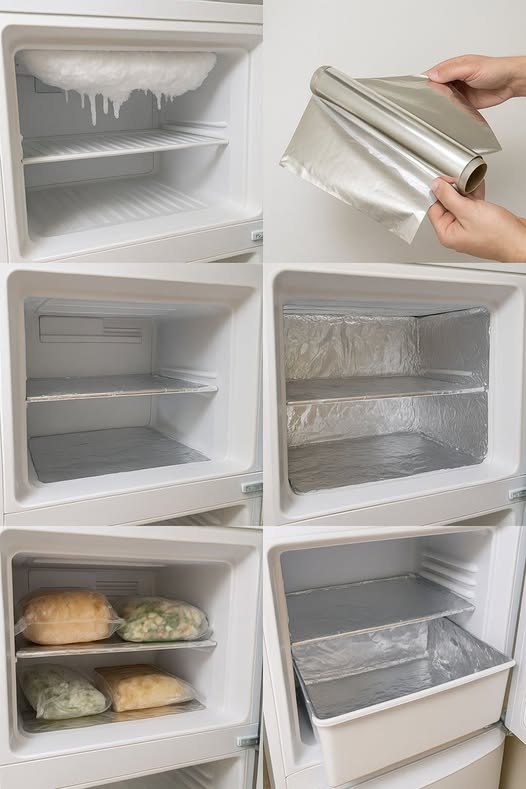
Finding thick layers of ice spreading across freezer shelves can quickly turn a routine kitchen task into an inconvenience. Frost buildup is rarely accidental; it usually signals that moisture is entering the freezer and freezing on contact. This can happen through worn door seals, frequent openings, or food placed inside without proper coverage. Over time, light frost hardens into dense ice, reducing storage space and making the freezer feel disorganized and difficult to use.
Beyond lost space, excess ice can quietly affect both performance and costs. When frost blocks airflow, the freezer must work harder to maintain a stable temperature. This added strain increases energy consumption and may shorten the appliance’s useful life. At the same time, items buried behind ice are more likely to be forgotten, leading to freezer burn, food waste, and unnecessary grocery purchases that add up over time.
Preventing frost is less about heavy maintenance and more about smart habits. Begin by checking the door seal: close a sheet of paper in the door and gently pull—if it slides out easily, warm air may be entering. Store food in airtight containers or sealed freezer bags to limit moisture, and allow hot foods to cool before freezing. If you are considering an upgrade, modern frost-free freezers use consistent air circulation to reduce ice buildup automatically.
Maintaining freezer efficiency is an ongoing process rather than a single cleanup task. Every few months, review the contents and remove items that are no longer needed before ice has a chance to form. Group foods in labeled bins so nothing disappears into the back. With these small, proactive steps, you can protect your food, reduce energy use, and keep your freezer functioning as a clean, organized part of an efficient kitchen routine.