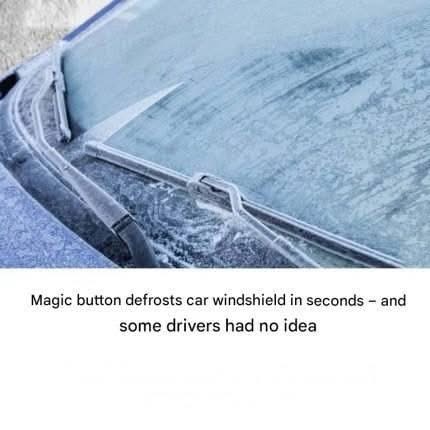
Winter mornings can turn even a short drive into a test of patience. Ice-covered windshields, numb hands, and limited time often make defrosting feel rushed and frustrating. What many drivers overlook is that most vehicles already include a built-in feature designed specifically to handle this problem efficiently. Using it correctly can make a noticeable difference in both comfort and safety.
The windshield defrost setting works by directing warm air toward the glass while simultaneously using the air-conditioning system to remove excess moisture. This combination helps loosen ice and frost from the inside out, speeding up the clearing process. To use it effectively, start the engine, set the temperature to its highest level, select the windshield defrost icon, and allow the system to run. Within moments, the frost begins to fade as the glass warms evenly.
This approach is safer and more effective than many common shortcuts. Pouring hot water on frozen glass can cause sudden temperature changes that lead to cracks, while aggressive scraping can damage the windshield surface and waste valuable time. The defrost setting also reduces interior fogging, helping maintain clear visibility once you start driving.
For best results, keep the windshield clean, allow airflow to circulate freely, and avoid leaving the vehicle running unattended. Drivers of older cars without a dedicated defrost function can prepare ahead by using frost covers, commercial de-icing sprays, or safe homemade solutions. By taking advantage of the tools already built into your vehicle, winter mornings become simpler, quicker, and far less stressful—letting you start the day with clearer vision and less frustration.