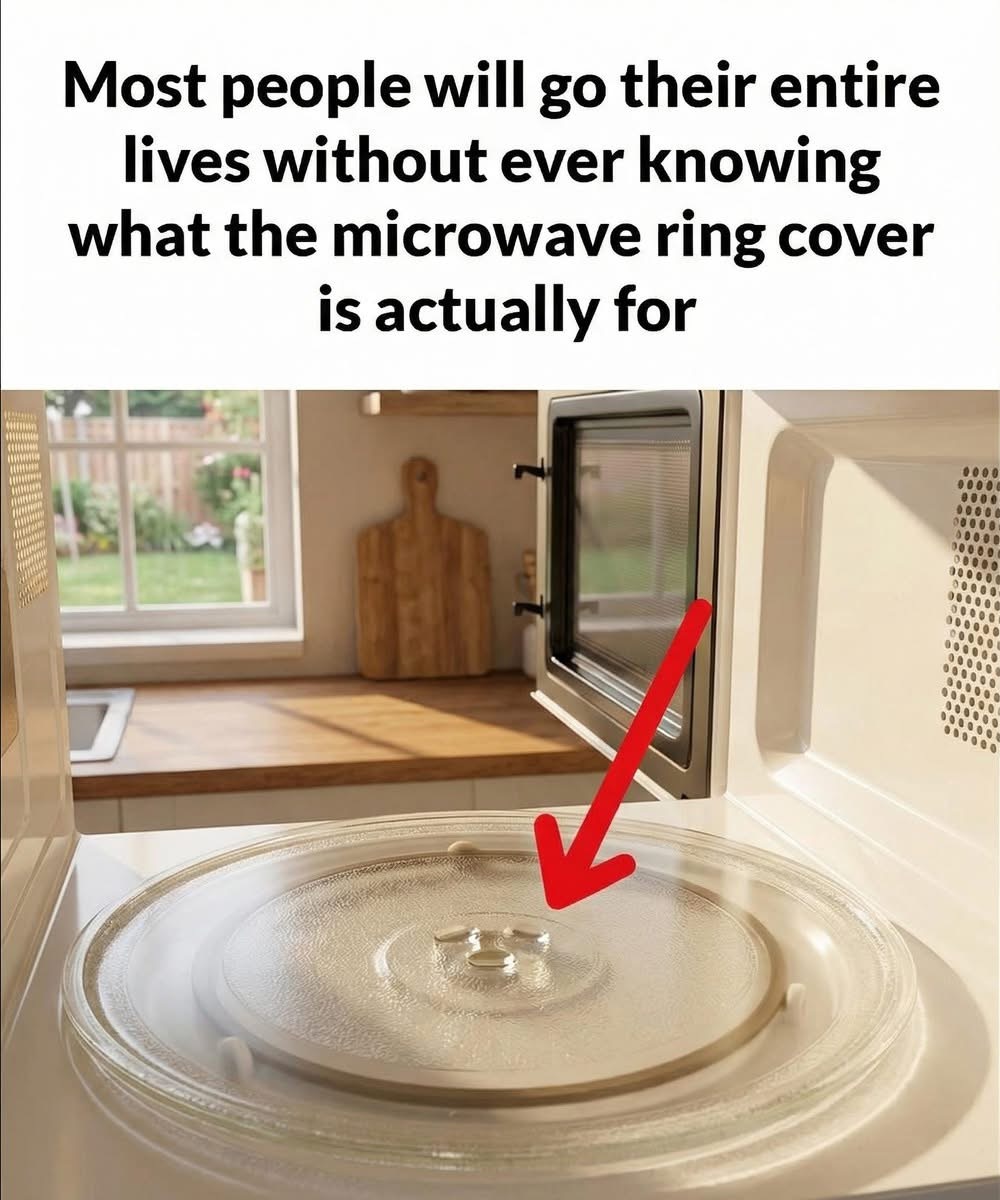
Tucked beneath the glass turntable, the microwave ring cover is one of those components most users rarely think about. Because it disappears once the tray is in place, it’s easy to assume it’s optional or purely structural. In fact, this small circular piece is integral to how a microwave performs day to day. Knowing what it does—and why it’s there—can prevent avoidable problems and help keep the appliance running as intended.
Made from heat-resistant plastic, the ring cover is fitted with evenly spaced rollers that guide the turntable as it spins. That rotation is essential: it helps distribute microwave energy more evenly so food heats consistently instead of developing hot and cold spots. The ring also stabilizes the glass tray and the dishes placed on it, spreading weight evenly and allowing the motor to operate smoothly without extra resistance or strain.
Because it seems minor, the ring cover is often removed for cleaning and sometimes forgotten—or mistakenly thrown away. Using a microwave without it can lead to noisy operation, jerky or stalled rotation, and uneven cooking results. Over time, the added stress can wear down the turntable motor and shorten the appliance’s overall lifespan. Simply keeping the ring clean, intact, and correctly positioned can prevent these issues and maintain reliable performance.
Beyond rotation, the ring cover also reduces vibration and noise. Acting as a buffer between the spinning tray and the microwave’s base, it absorbs small shocks during operation and helps the appliance run more quietly. In practical terms, this modest component supports even heating, smooth movement, and long-term durability. Though easy to overlook, proper care of the microwave ring cover is a simple way to ensure your microwave continues to work efficiently for years to come.