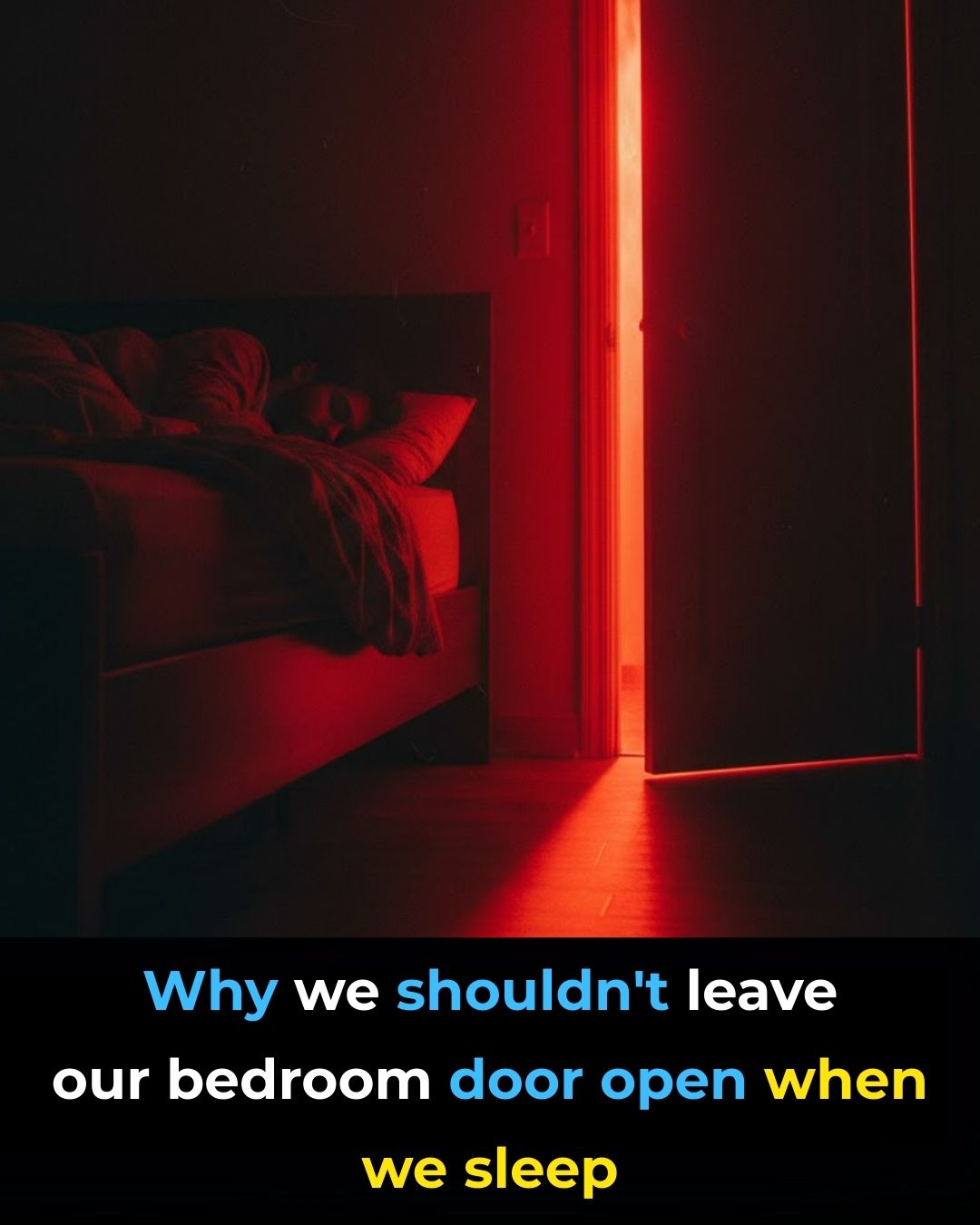
Leaving the bedroom door open while sleeping might feel harmless, but closing it can offer practical advantages for safety, comfort, and efficiency. Small nightly habits often have a larger impact than we realize. By understanding how a simple action like shutting the door influences your environment, you can make a more informed choice that supports both well-being and household management.
One of the most important reasons to close the door is fire safety. In the event of a house fire, a closed door can slow the movement of flames, heat, and smoke into the room. This barrier may help keep temperatures lower inside and reduce exposure to smoke, giving occupants more time to respond. Safety organizations frequently recommend this precaution because smoke inhalation is a major hazard during residential fires. While prevention remains essential, protective habits can add an extra layer of security.
Temperature control is another benefit. A closed bedroom door helps maintain a more consistent indoor climate, whether during colder months or hot seasons. By containing heated or cooled air within the room, your climate system may operate more efficiently. This can contribute to reduced energy use and lower utility costs over time. A stable temperature also enhances comfort, making it easier to fall and stay asleep.
Finally, closing the door can support better rest. It limits noise from other parts of the home, reduces stray light, and minimizes air drafts that might disturb sleep. For households with pets, it may also prevent nighttime interruptions. Together, these factors create a quieter and more controlled environment. Although it’s a small adjustment, closing the bedroom door at night is a simple step that can promote safety, efficiency, and a more restful sleep experience.