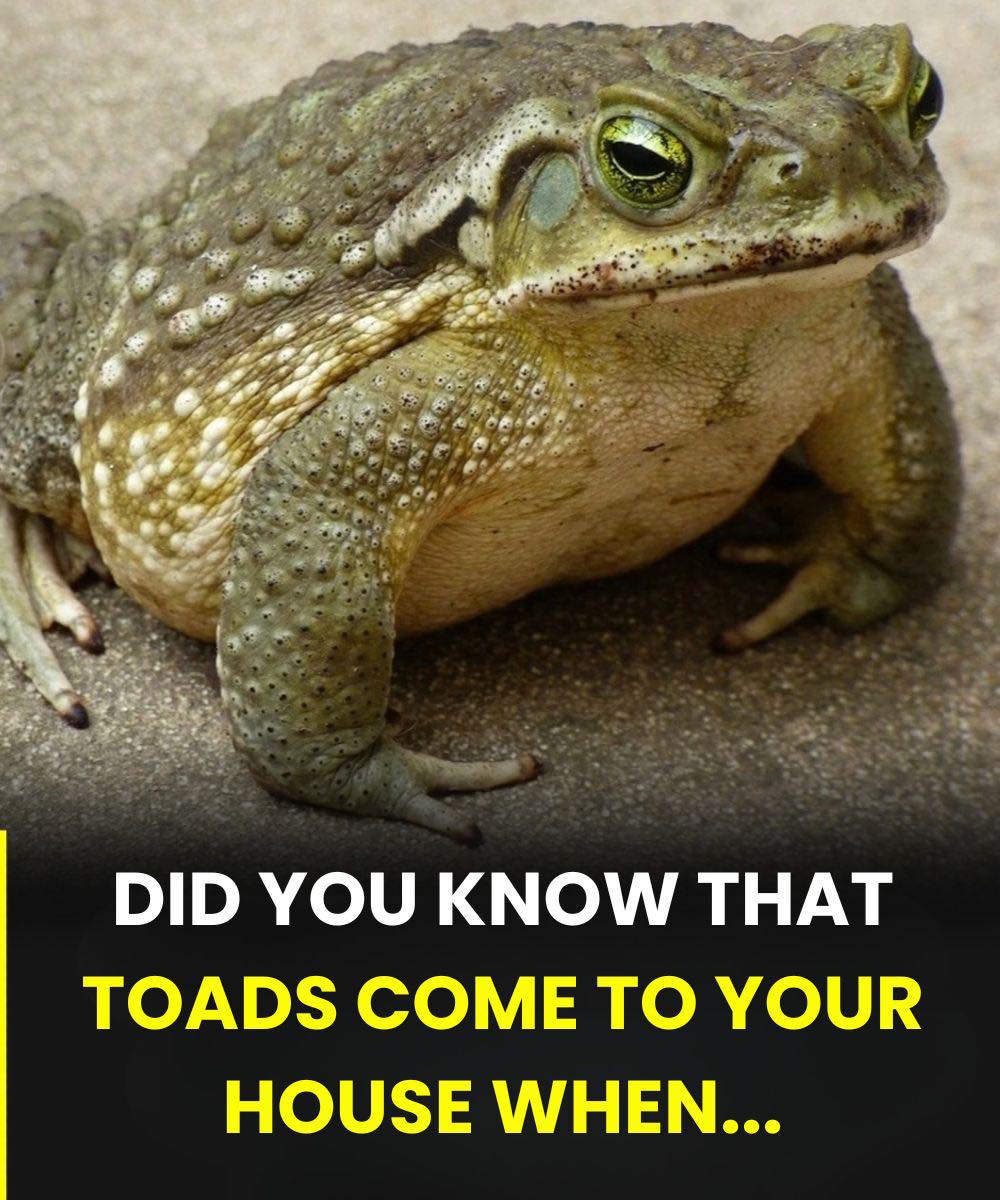
Spotting a toad near your doorway or garden can feel unexpected. For some, it’s simply a small animal that wandered off course. For others, it sparks curiosity about possible symbolism. In reality, a toad’s presence can be understood from two perspectives: practical ecology and cultural interpretation. Looking at both explanations offers a balanced way to respond without unnecessary concern.
From a biological standpoint, toads are amphibians that depend on moisture and shelter. They prefer cool, shaded environments where insects are plentiful. Yards with dense plants, damp soil, standing water, or outdoor lights that attract insects can unintentionally create ideal conditions for them. During rainy seasons or periods of high humidity, toads become more active and may explore new areas in search of food or refuge. Occasionally, they enter homes through small openings or gaps, guided purely by instinct. They are not aggressive and generally avoid human interaction.
If toads appear frequently, it’s helpful to evaluate environmental factors. Reducing standing water, trimming overgrown vegetation, and sealing small entry points can limit indoor visits. On the other hand, many homeowners choose to leave them undisturbed outdoors because they naturally help control insect populations. By feeding on mosquitoes and other small pests, toads contribute to a healthier garden ecosystem.
Beyond practical reasons, toads have carried symbolic meaning in various traditions. In some Eastern philosophies, they are associated with prosperity and positive change, while other cultures view them as signs of transformation. Whether interpreted through science or symbolism, their presence often reflects environmental balance. Rather than a cause for alarm, encountering a toad can serve as a reminder of the interconnected rhythms of nature and the importance of maintaining a healthy, well-managed living space.