In the produce aisle, several green, onion-like options can look almost identical at first glance. However, each brings its own taste, texture, and culinary purpose. Understanding these differences helps you select the right ingredient for each recipe, improving flavor while avoiding unnecessary substitutions or confusion in the kitchen.
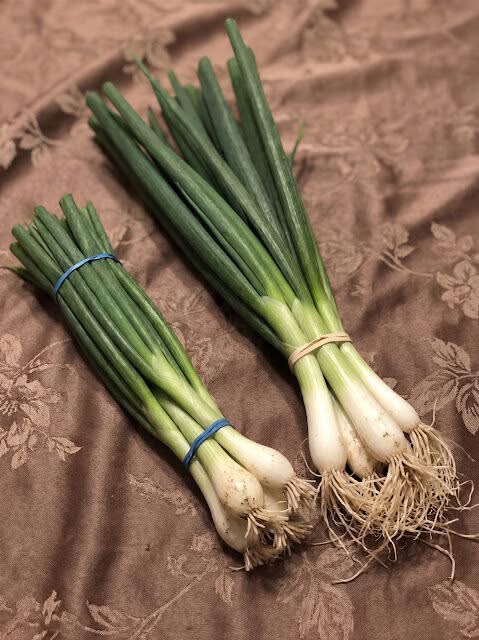
Scallions—often called green onions—are the same ingredient. They are harvested early, before a bulb fully develops, which gives them a slim white base and long green stalks. Their flavor is light, slightly sweet, and not overpowering. Both parts are edible: the white section offers a bit more intensity, while the green tops are softer and fresher in taste. They work well both raw and lightly cooked, making them a versatile addition to salads, soups, eggs, and quick stir-fries.
Spring onions, on the other hand, are allowed to grow a bit longer and develop a small bulb at the base. This gives them a deeper, more pronounced flavor, closer to that of traditional onions but still milder. The bulb can be cooked in various ways—such as grilling, roasting, or sautéing—while the green tops remain useful as a garnish. Their balanced profile makes them suitable for both cooked dishes and finishing touches.
Chives stand apart as a delicate herb rather than a vegetable. They have thin, grass-like stems and no bulb, with a very mild, subtle onion flavor. Because of their softness, they are best used fresh, added at the end of cooking or sprinkled over dishes like soups, potatoes, eggs, or dips. By recognizing how each of these ingredients differs, it becomes easier to enhance everyday meals with the right level of flavor and freshness.