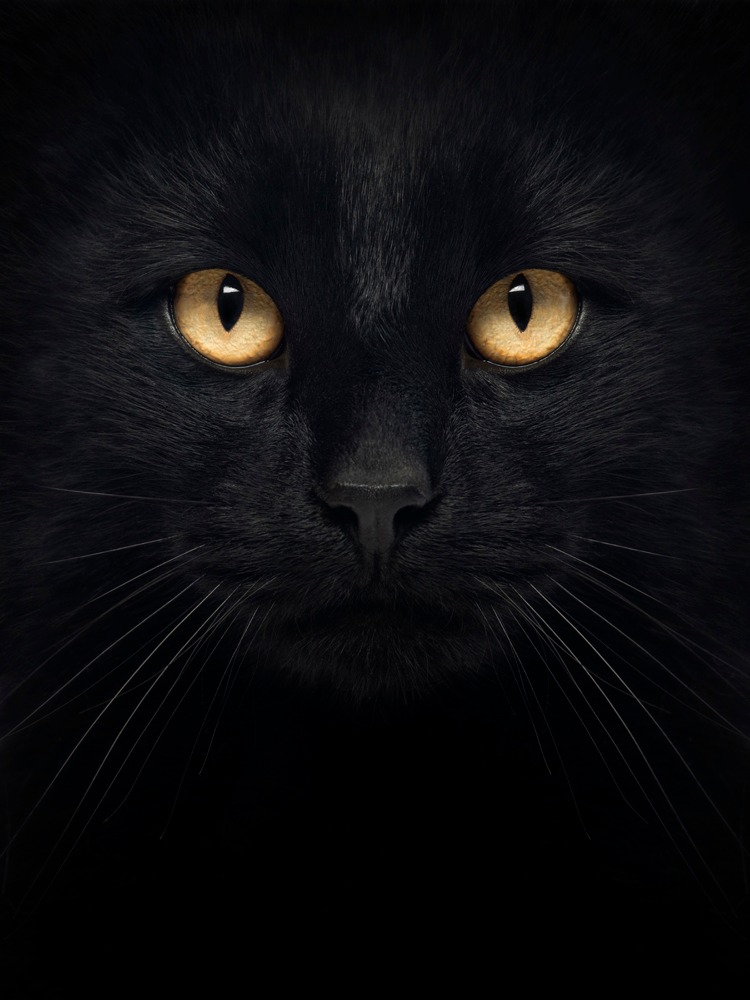
Many people still pause instinctively when a black cat crosses their path, even if the moment lasts only a second. This reaction isn’t accidental—it’s shaped by centuries of stories, traditions, and beliefs passed from one generation to the next. Depending on cultural background, the same encounter can inspire unease, reassurance, or no reaction at all. In most cases, the response says more about learned ideas than about the animal itself.
The roots of these beliefs can be traced back to medieval Europe, where black cats were misunderstood and unfairly linked to fear and suspicion. Their nighttime activity and dark appearance fueled myths that associated them with misfortune. Over time, these ideas spread widely and had unintended consequences, including the decline of cat populations. History demonstrates how misconceptions, when accepted without question, can influence behavior in harmful ways.
Other cultures developed far more positive interpretations. In Japan, black cats are commonly viewed as symbols of good fortune, particularly in personal relationships. In parts of Britain, they were once thought to bring protection and prosperity to homes. Ancient civilizations also respected cats for their companionship and balance, valuing them as helpful and meaningful animals rather than signs of luck or loss.
Today, black cats are often connected with mystery or tradition, but their nature remains simple and unchanged. They act on instinct, curiosity, and routine—not superstition. When a black cat appears along your path, it carries no hidden message. Any meaning comes from personal belief, not from the moment itself. Sometimes, understanding this can turn hesitation into appreciation and replace old myths with calm awareness.