
Keeping a cooker hood free of grease doesn’t have to involve strong chemicals or specialized products. In many cases, everyday pantry staples can handle the job effectively. A combination of salt, white vinegar, and hot water creates a practical cleaning solution that helps loosen residue while remaining gentle on most surfaces. This approach is affordable, easy to prepare, and suitable for routine maintenance.
The effectiveness of this mixture comes from three basic elements working together. Warm water helps soften hardened grease, vinegar provides mild acidity to break down buildup, and salt offers light abrasion to lift stubborn spots. When combined, these ingredients create a balanced solution that supports thorough cleaning without overwhelming odors or harsh fumes.
To prepare the cleaner, place two tablespoons of salt into a deep bowl. Add a generous splash of white vinegar, then pour in hot (not boiling) water. Stir until the salt dissolves evenly. Dip a soft cloth or sponge into the mixture and gently wipe the exterior of the cooker hood. Grease should begin to loosen quickly, allowing you to remove residue with steady, even strokes.
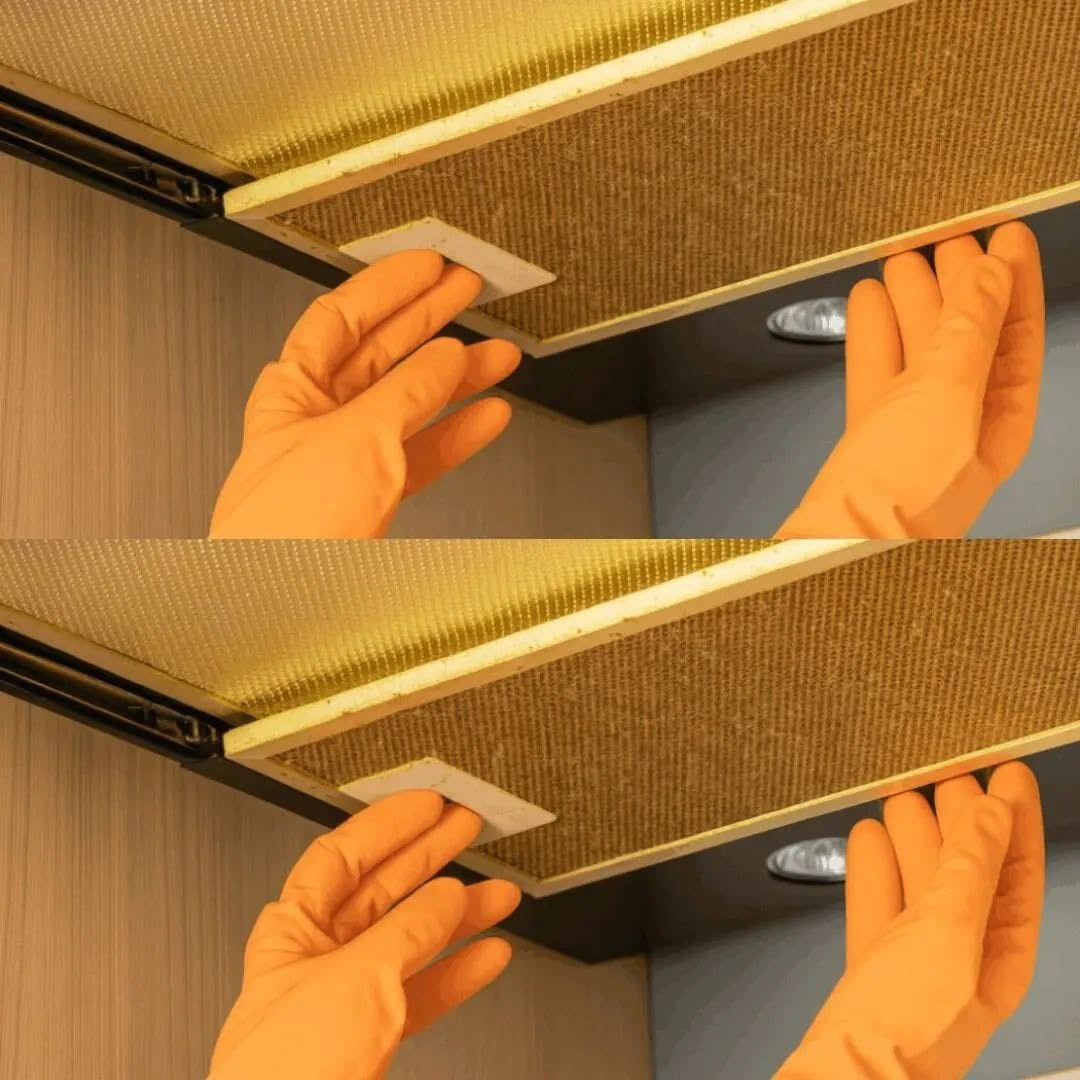
Don’t overlook the hood filter, as this is where grease often accumulates most heavily. Carefully remove the filter and place it in a sink or basin. Cover it with the warm salt-and-vinegar solution and allow it to soak for several minutes. Afterward, rinse with lukewarm water and let it dry completely before reinstalling. Finishing with a dry cloth on the exterior helps prevent streaks and restore shine. Repeating this simple routine regularly can help maintain efficiency and keep your kitchen looking fresh without complicated cleaning sessions.