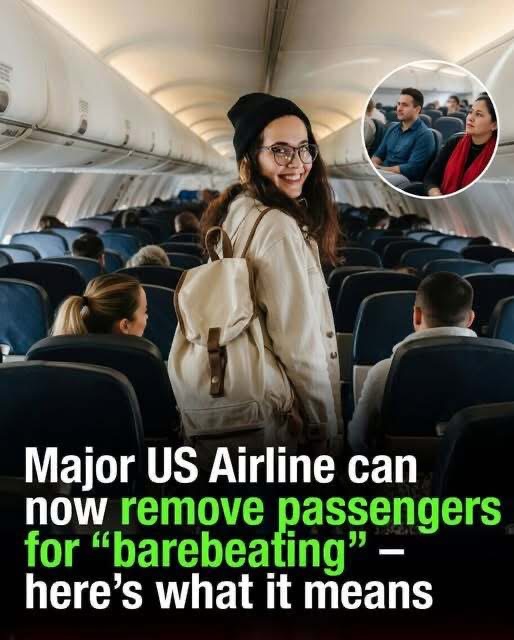
Air travel places hundreds of people in a shared, limited space where small behaviors can have a noticeable impact. In recent years, one habit has drawn increasing attention: playing audio from personal devices without headphones. Often referred to informally as “bare listening,” this behavior can disrupt the calm environment many passengers expect during a flight. With seats close together and journeys lasting hours, even moderate sound levels can become distracting. As digital devices play a larger role in travel, maintaining a respectful cabin atmosphere has become more important than ever.
In response, United Airlines has updated its passenger conduct guidelines to clarify expectations around device use. The policy now identifies playing audio or video without headphones as disruptive behavior if a passenger refuses to comply after being asked by crew members. Consequences may include warnings or, in more serious cases, removal from the flight. While the expectation to use headphones has long existed, this update reinforces it as a clear standard for maintaining comfort and cooperation on board.
Technology has contributed to the growing relevance of this issue. With onboard Wi-Fi and streaming capabilities becoming more common, passengers now have access to movies, shows, and games throughout their journey. While these features enhance convenience and entertainment, they also increase the likelihood of unwanted noise if used without consideration. Airlines aim to balance these benefits with the need for a peaceful environment, encouraging travelers to enjoy digital content responsibly.
For passengers, the solution is straightforward: bring and use headphones during the flight. This small step helps create a more comfortable experience for everyone, especially on longer routes where rest and focus matter. By practicing simple courtesy and being mindful of shared space, travelers contribute to a smoother, more pleasant journey—proving that thoughtful habits still make a meaningful difference, even at 30,000 feet.