
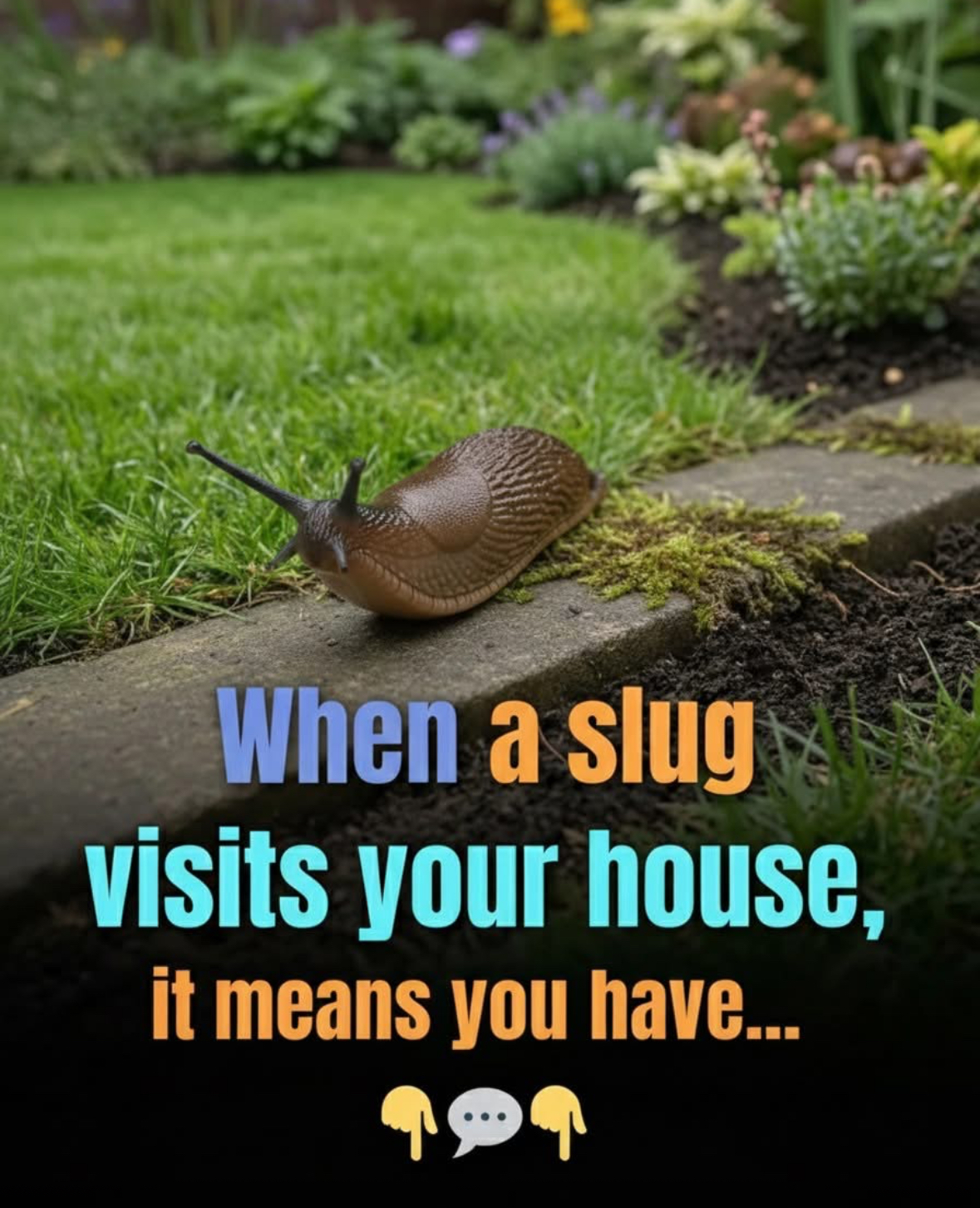
For many, encountering a slug in the garden brings an immediate reaction of discomfort. Their slow movement and glossy trail often make them unwelcome visitors after rainfall. Yet beyond their appearance lies a creature that plays a meaningful role in both natural ecosystems and scientific research. Slugs may not be admired at first glance, but their contributions are quietly significant.
In the environment, slugs function as natural decomposers. They consume decaying leaves, fungi, and other organic material, helping break it down into nutrients that return to the soil. This recycling process supports plant growth and maintains ecological balance. Without organisms like slugs, natural spaces could accumulate excess debris, disrupting the delicate cycle that keeps gardens and forests thriving.
Their importance extends beyond soil health. Slugs form part of the food chain, serving as nourishment for birds, amphibians, small mammals, and insects. By supporting these species, they indirectly sustain broader ecosystems. In addition, scientists have taken interest in slug mucus, which contains unique compounds. While not traditionally appealing, these substances are being studied for potential use in skincare formulations and bio-inspired adhesives.
Researchers also examine slugs for insights into neuroscience. Their relatively simple nervous systems provide models for understanding learning, memory, and basic neural processes. Although modest in appearance, slugs contribute to knowledge that reaches far beyond the garden path. Recognizing their ecological and scientific value reminds us that even the most overlooked creatures can play essential roles in the larger web of life.