
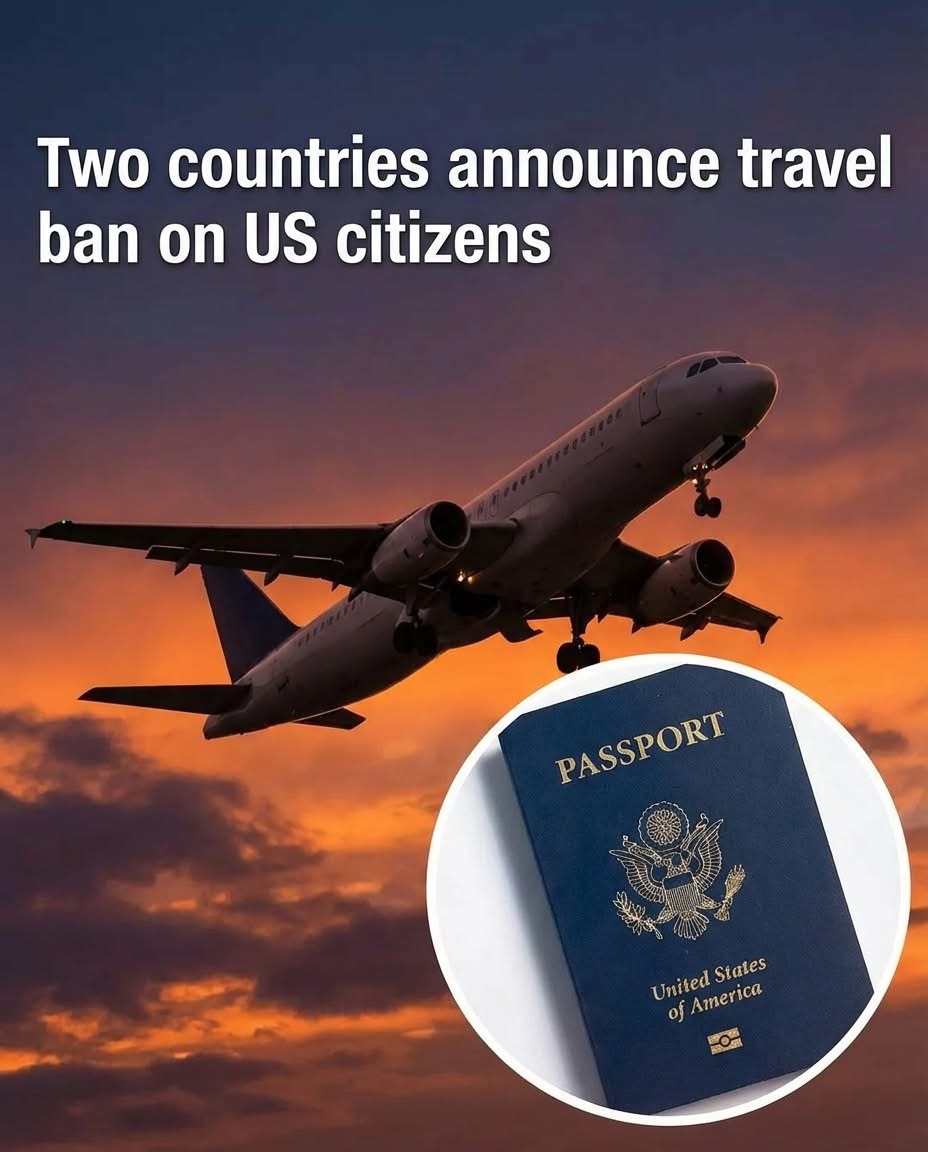
Recent entry restrictions introduced by several West African governments toward American citizens have drawn international attention. Rather than presenting their measures as retaliation, officials in the region have emphasized the principle of reciprocity—arguing that immigration and visa policies should reflect balanced, mutual treatment. These decisions signal a broader conversation about sovereignty, diplomatic equality, and how nations respond when they perceive disparities in international mobility rules.
Although policy announcements often focus on visas and border management, the real-world implications extend well beyond formal statements. Families with cross-border ties may face unexpected travel complications. Academic collaborations, business exchanges, and humanitarian partnerships can experience delays or uncertainty. In many cases, everyday individuals—students, professionals, and aid workers—feel the practical impact of decisions shaped at the governmental level.
From the perspective of U.S. policymakers, stricter travel regulations are typically framed as administrative tools tied to security, compliance, or documentation standards. Meanwhile, leaders in affected West African countries describe such measures as disproportionate or inconsistent with the spirit of cooperation. These differing interpretations reflect a wider debate about fairness in global mobility and the balance of influence in diplomatic relationships.
Countries including Mali and Burkina Faso have recently announced restrictions affecting U.S. travelers, following earlier policy shifts in Niger and Chad. Collectively, these actions suggest an evolving approach among some Sahel states as they assert greater independence in foreign policy decisions. Moving forward, constructive dialogue and mutual understanding will likely play a central role in rebuilding trust and ensuring that international partnerships remain stable and beneficial for all sides involved.