
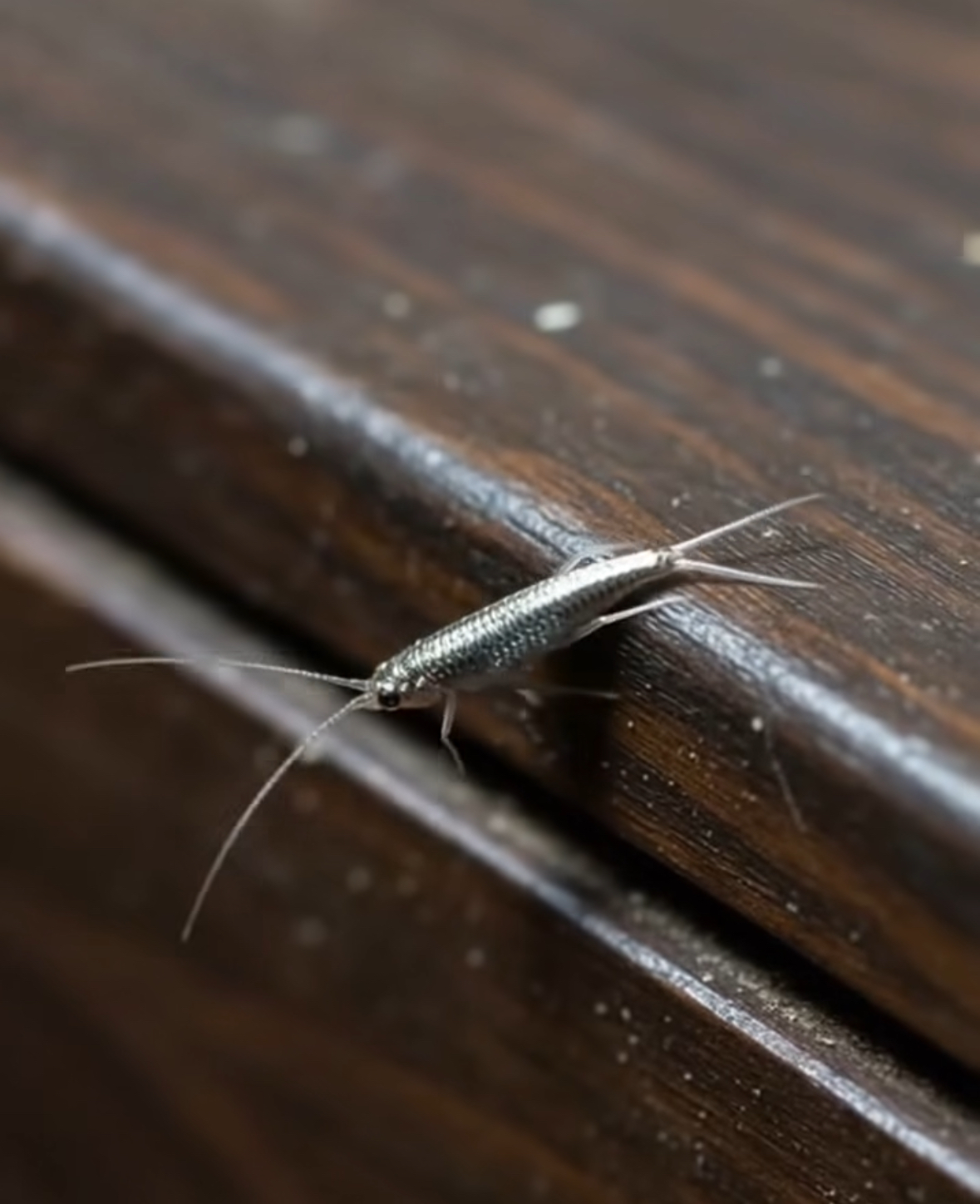
Silverfish are small, wingless insects known for their silvery sheen and quick, wriggling movement. Though they have existed for millions of years and pose no direct harm to humans, their appearance indoors often signals excess moisture and accessible food sources. Measuring about half an inch to an inch long, these insects tend to thrive in humid environments such as bathrooms, basements, kitchens, and laundry areas. Spotting one is usually a sign that conditions are favorable for more.
These pests feed primarily on materials rich in starches and sugars. Paper, cardboard, glue, fabric, wallpaper paste, and even pantry crumbs can attract them. Over time, their feeding habits may lead to small holes in books, clothing, or stored documents. Other signs of activity include faint yellow stains, tiny black droppings, or shed skins left behind as they grow. Recognizing these clues early is important because silverfish reproduce quickly in dark, damp spaces.
The first step in controlling silverfish is reducing moisture. Improve airflow with fans or ventilation systems, especially in bathrooms and basements. A dehumidifier can significantly lower indoor humidity levels, making your home less inviting. Next, eliminate food sources by storing dry goods in airtight containers and minimizing stacks of paper, cardboard, and unused magazines. Regular cleaning and decluttering further reduce hiding places.
For additional protection, seal cracks and crevices along baseboards, around pipes, and in wall seams. Natural deterrents such as food-grade diatomaceous earth or cedar-based products may help discourage activity when applied to problem areas. Sticky traps can also monitor and reduce populations while you address the root cause. With consistent moisture control, proper storage, and routine maintenance, you can prevent infestations and maintain a dry, comfortable living space free from silverfish.