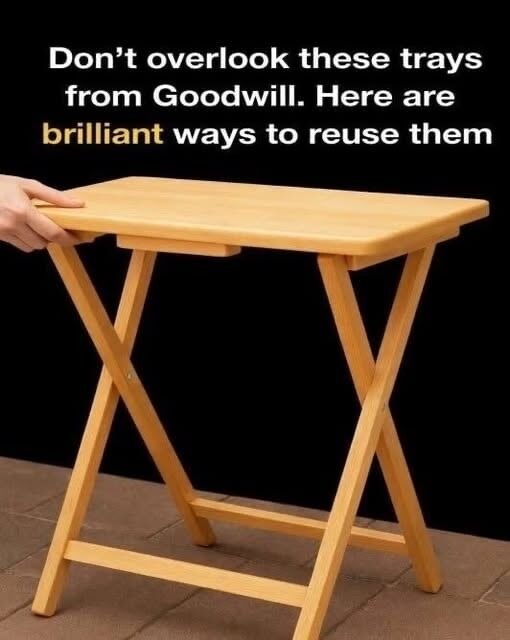
Giving new life to old trays is a simple way to add character and function to your home. Instead of discarding them, consider turning a tray into decorative wall art. With a bit of paint, patterned paper, or stencils, you can create a piece that reflects your personal style. Adding a hook or hanger to the back allows you to display it as a unique accent that brings color and texture to your walls.
Beyond decoration, trays can easily become practical organizers. A refreshed tray can serve as a tidy coffee table centerpiece, keeping items like books, candles, or small accessories neatly arranged. With a few adjustments—such as lining the surface with fabric or adding small compartments—it can also function as a jewelry holder. These small changes help combine organization with a polished, intentional look.
Trays are also useful for specific areas around the home. They can act as plant bases, helping protect surfaces while showcasing greenery, or as bathroom organizers to keep essentials in one place. In workspaces, a tray can keep supplies contained and easy to access. For pet owners, a tray can even be adapted into a feeding station, offering both convenience and a touch of personalization.
With a little creativity, trays can take on entirely new roles. They can be transformed into photo displays, activity boards for children, or stylish serving pieces for gatherings. Repurposing everyday items not only reduces waste but also encourages thoughtful design. By reimagining something simple, you can create functional pieces that add warmth and individuality to your living space.