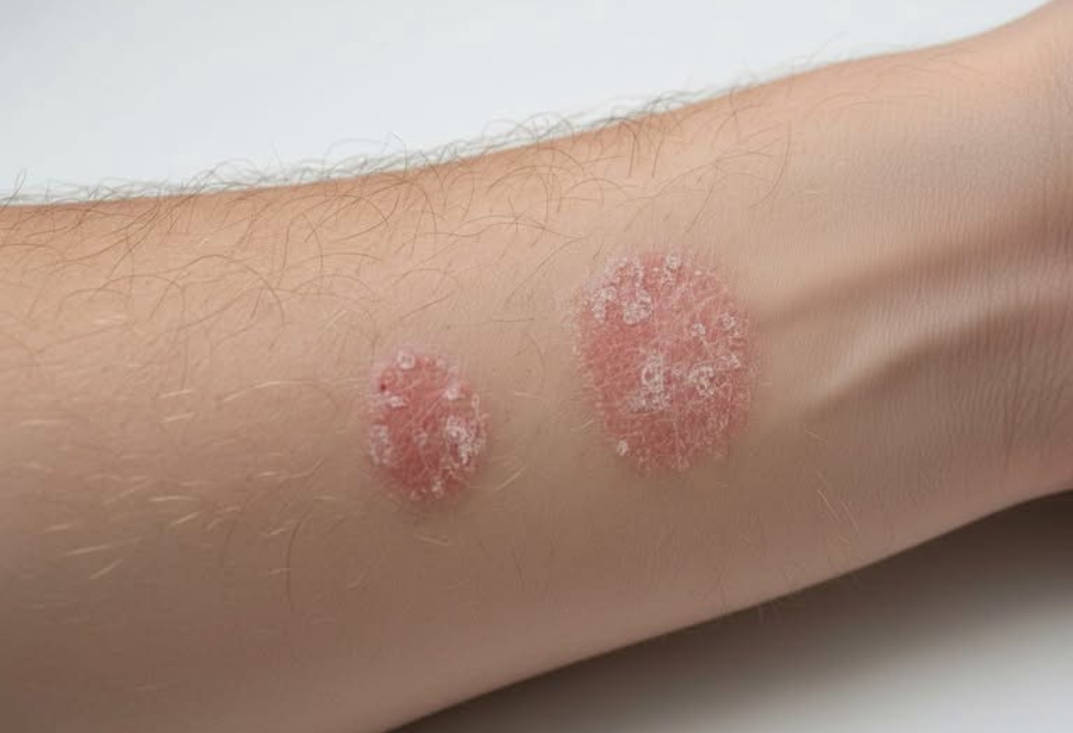
Psoriasis is a long-term immune-related condition that affects the skin and, in some cases, overall well-being. While it is often mistaken for a simple cosmetic concern, psoriasis develops when the immune system sends signals that speed up the growth cycle of skin cells. Instead of renewing gradually over several weeks, skin cells accumulate rapidly, forming thickened, inflamed areas that may itch or feel uncomfortable. The most common form, plaque psoriasis, appears as raised red patches covered with silvery scales, often on the scalp, elbows, knees, or lower back. Because symptoms tend to come and go in cycles, consistent management and awareness are essential.
Other forms of psoriasis present differently and may require tailored care. Guttate psoriasis often appears as small, drop-shaped spots, sometimes following a bacterial infection. Pustular psoriasis, which is less common, involves inflamed skin with small fluid-filled bumps and may be localized or more widespread. Inverse psoriasis typically develops in skin folds, such as under the arms or in the groin, where friction and moisture can intensify irritation. A rare but serious form, erythrodermic psoriasis, affects large areas of the body and requires immediate medical attention. Recognizing the specific type helps healthcare providers recommend appropriate treatment and preventive strategies.
A common misconception is that psoriasis is contagious. It is not spread through touch, shared items, or close contact. Instead, it is influenced by a combination of genetic predisposition and environmental triggers. Stress, certain infections, skin injuries, and some medications may prompt flare-ups in susceptible individuals. Understanding personal triggers and maintaining open communication with healthcare professionals can help reduce the frequency and intensity of episodes. Education also plays a key role in reducing stigma and supporting those living with the condition.
Treatment plans vary depending on severity and individual response. Mild cases may improve with topical therapies such as moisturizers or prescribed creams designed to calm inflammation. Moderate to severe cases may require additional options, including light-based therapy or medications that target specific immune pathways. Alongside medical care, lifestyle habits matter. Managing stress, maintaining healthy routines, protecting the skin, and attending regular checkups can all contribute to better symptom control. With a comprehensive approach that addresses both physical and emotional health, many people with psoriasis are able to lead active and fulfilling lives.