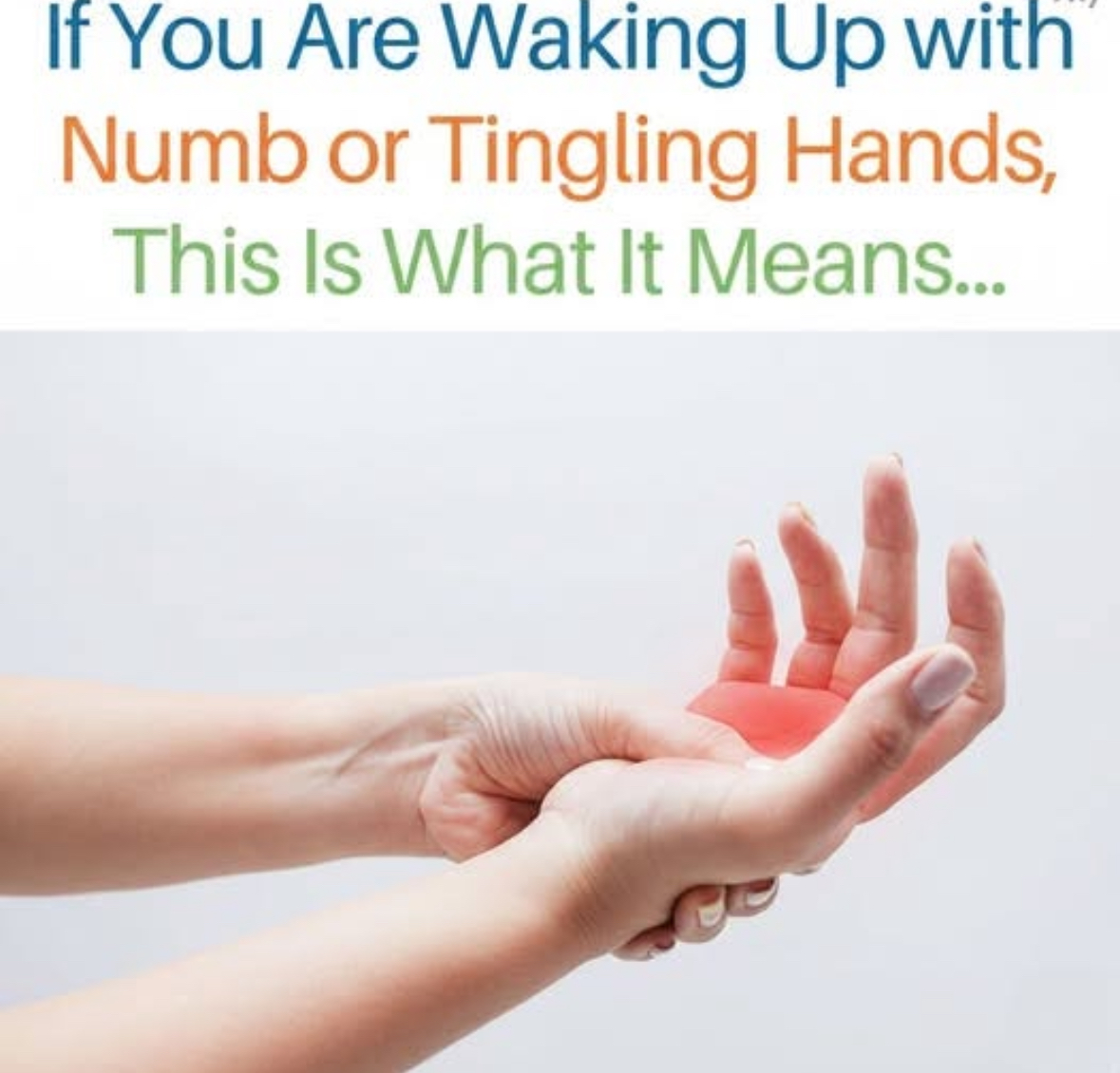
A brief “pins and needles” feeling in the hands is something most people experience at some point. Medically known as paresthesia, this sensation can appear as tingling, mild numbness, or reduced sensitivity. In many cases, it has a simple explanation. Sleeping in an awkward position, leaning on an arm, or holding one posture for too long can temporarily compress nerves or limit blood flow. Once circulation returns to normal, the sensation usually fades. Repetitive activities—such as typing, texting, or using hand tools—can also irritate nerves over time, sometimes contributing to conditions like carpal tunnel syndrome if left unaddressed.
Nutrition is another important factor in nerve health. Vitamins in the B group, particularly vitamin B12, play a central role in maintaining the protective covering around nerves. When levels are too low, nerve signaling may become less efficient, leading to tingling or numbness. Electrolyte imbalances involving minerals like potassium, sodium, or calcium can also influence nerve conduction. These issues often develop gradually, which is why balanced eating habits and routine health checkups are valuable. Individuals at higher risk for deficiencies—such as older adults or those with restricted diets—may benefit from discussing screening or supplementation with a qualified healthcare professional.
Persistent tingling can also be linked to chronic medical conditions. Diabetes, for example, may affect nerve function over time if blood sugar levels are not well controlled. Autoimmune conditions and circulatory disorders can similarly influence nerve health by increasing inflammation or reducing blood flow. In these situations, addressing the underlying condition often improves symptoms. Regular screenings and early management of chronic illnesses are key strategies in preventing long-term nerve complications.
Structural issues may also contribute to ongoing numbness. Problems in the neck, spine, shoulder, elbow, or wrist can place pressure on nerves that extend into the hands. When tingling is accompanied by weakness, muscle changes, or ongoing pain, medical evaluation becomes especially important. Diagnosis may involve physical examination, laboratory tests, or imaging studies, depending on symptoms. While occasional tingling is usually harmless, persistent or worsening sensations deserve professional attention. Listening to these early signals allows individuals to protect both nerve function and overall well-being through timely care and preventive habits.