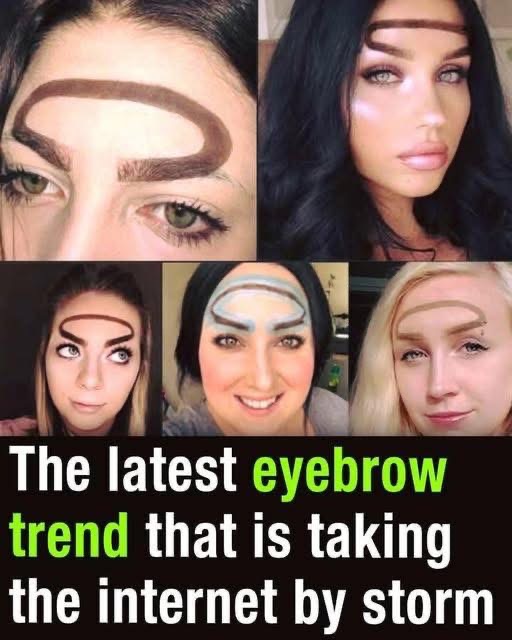
Eyebrows have always influenced how a face is perceived, framing expressions and reflecting the beauty standards of each era. From fuller, natural looks to sharply defined arches, their styling continues to change alongside fashion and cultural shifts. What was once guided mainly by professional trends now evolves rapidly, shaped by global audiences and digital inspiration.
A practical way to understand this shift is to look at the role of social media. Platforms such as TikTok and Instagram have transformed beauty into a fast-moving space where new ideas can spread within hours. Styles that once remained niche are now shared widely, encouraging experimentation and expanding the definition of what is considered fashionable.
One example of this creative direction is the emergence of “halo brows,” a design that connects both eyebrows in a curved line across the forehead. Rather than focusing on everyday wear, this approach highlights artistic exploration and symmetry. Introduced by makeup artist Hannah Lyne, the look was intended as a form of creative expression rather than a standard grooming technique.
Ultimately, trends like this demonstrate how beauty has become a blend of personal style and visual art. While not every style is meant for daily use, each one contributes to a broader conversation about self-expression. As trends continue to evolve, eyebrows remain a simple yet powerful way to experiment with identity and creativity.