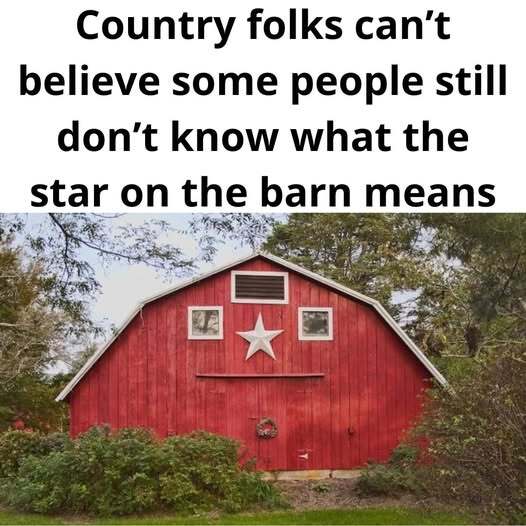
Long before they became popular decorative pieces, barn stars held meaningful significance for Pennsylvania Dutch farming communities. Influenced by European traditions and early American life, these designs were more than simple ornaments. Farmers selected specific shapes and colors to reflect intentions such as protection, good fortune, and successful harvests, turning everyday structures into expressions of hope and purpose.
A helpful way to understand these symbols is to look at their connection to hex signs—geometric patterns that blended cultural beliefs with daily life. While interpretations varied, the designs often represented shared values like balance, diligence, and harmony with nature. Painted on barns, they served as a visual language that connected families to their land and traditions.
Over time, the original meanings became less central, but the designs themselves remained. Barn stars gradually transitioned from symbolic markings into widely appreciated decorative elements. Today, they appear on homes, fences, and garden spaces, valued for their craftsmanship and the sense of history they carry.
In modern settings, these stars continue to bridge past and present. Whether chosen for style or tradition, they add character while quietly reflecting a heritage rooted in creativity and resilience. Incorporating them into a home is a simple way to honor history while enhancing everyday spaces with thoughtful design.