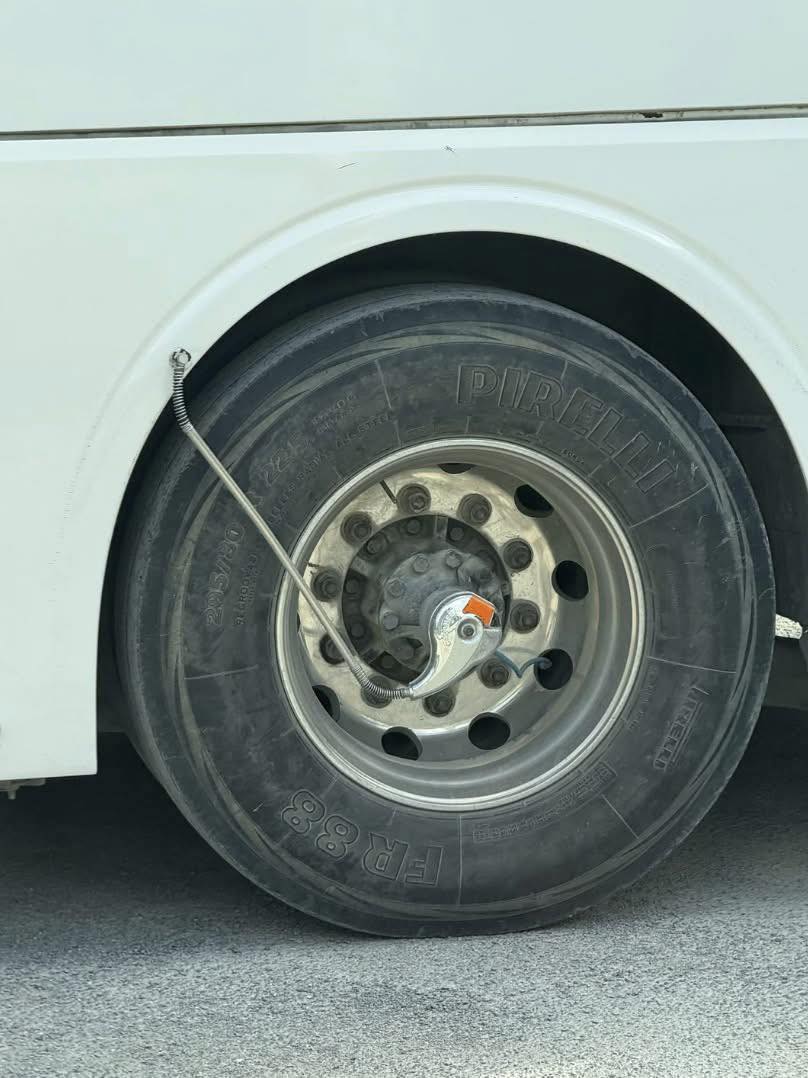
The first step is understanding what that small hose or cable on a large vehicle actually does. It’s part of a Central Tire Inflation System, or CTIS, a technology that allows drivers to adjust tire pressure while the vehicle is in motion. Using onboard compressors, sealed connectors, and durable air lines, the system adds or releases air as conditions change. This keeps tires performing correctly whether the road is smooth pavement, loose gravel, soft ground, or extreme weather.
The next step is knowing why this system matters. Tire pressure has a direct impact on grip, stability, and wear. By fine-tuning pressure on demand, CTIS helps tires maintain proper contact with the surface, reducing strain and improving handling. Because the process happens automatically or with minimal driver input, it often goes unnoticed—until its absence leads to reduced performance or unexpected problems.
Understanding where CTIS came from adds useful context. The technology was first developed for military vehicles that needed reliable traction in unpredictable environments. Over time, its advantages made it valuable for civilian use as well. Today, it’s common on logging trucks, agricultural equipment, mining vehicles, buses, and long-haul rigs, where consistent tire performance is essential for safety and efficiency.
The final step is appreciating the benefits it delivers every day. Fewer tire failures, improved fuel efficiency, and longer tire lifespan all come from maintaining optimal pressure. For drivers and everyone sharing the road, that small, easy-to-miss component represents careful engineering and thoughtful design. It’s a reminder that many of the safest innovations work quietly in the background, doing their job without drawing attention.