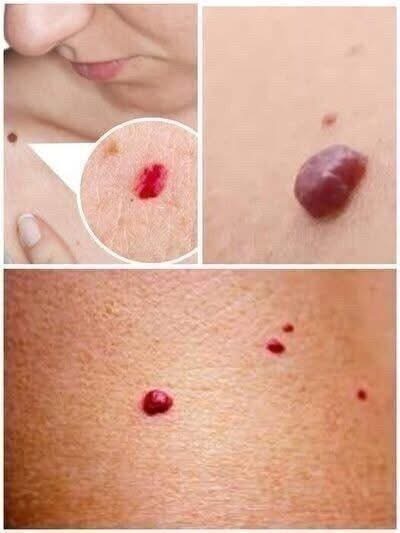
Noticing small red spots on the skin can be unsettling, simply because changes in appearance are hard to ignore. Even minor marks may spark concern when they appear without warning. In many cases, however, these dots are part of normal skin behavior and don’t signal anything serious. The skin reacts quickly to everyday influences, making it a visible reflection of what’s happening inside and around the body.
Common daily factors can easily lead to temporary red marks. Heat, friction from clothing, physical exertion, mild irritation, or natural aging can all affect tiny blood vessels near the surface of the skin. One example is petechiae—very small, flat red or purplish spots that form when capillaries break under pressure. They may appear after intense coughing, sneezing, strenuous exercise, or other brief physical strain and often fade on their own without treatment.
Another frequent and harmless cause is cherry angiomas. These are small, bright red bumps made up of clustered blood vessels and tend to become more common with age. They’re painless, stable in shape, and considered benign. Other everyday explanations include heat rash, mild allergic reactions, or skin conditions like keratosis pilaris, which can create tiny bumps accompanied by dryness or irritation that improves once triggers are removed.
While most red dots are harmless, context matters. A healthcare professional should be consulted if spots spread rapidly, change shape, bleed, or appear alongside symptoms such as fever, unusual fatigue, or unexplained bruising. Paying attention to patterns rather than reacting to appearance alone can ease unnecessary worry. In most situations, these small marks are simply signals from the body—not warnings—reminding us that calm observation is often the most helpful first step.