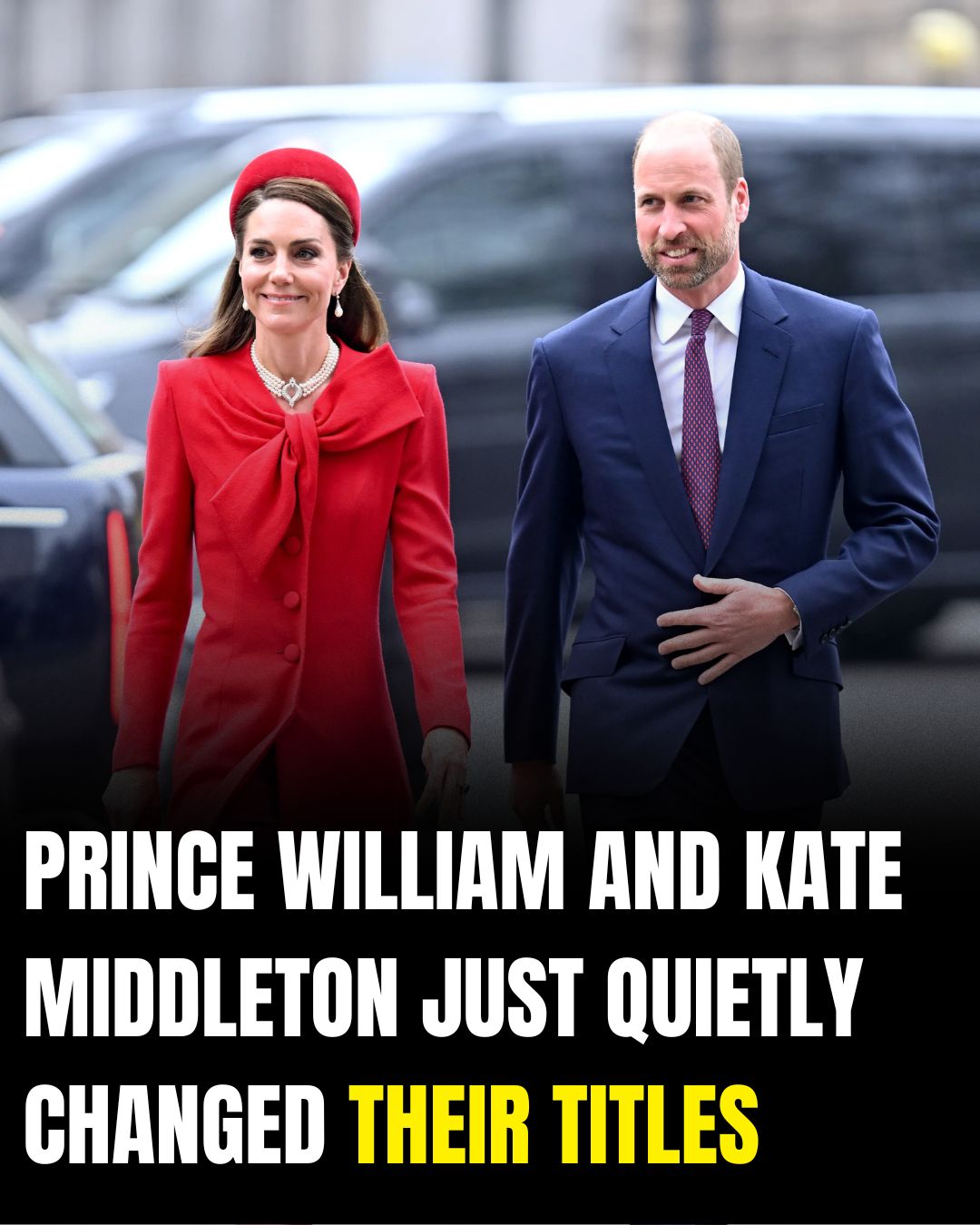
Royal titles can seem straightforward until geography enters the picture. During a recent visit to Scotland, the Prince and Princess of Wales were publicly addressed by different names, prompting curiosity among royal watchers. While it appeared at first glance that their titles had changed, the shift was actually part of a long-standing tradition tied to location rather than status. Understanding how this works offers a useful glimpse into how the monarchy blends history with modern public life.
To make sense of it, it helps to know that senior royals often hold multiple titles at the same time. Earlier this year, King Charles III granted William and Kate additional responsibilities that will allow them to act as grantors of Royal Warrants—formal endorsements given to brands that have supplied goods or services to the royal household over a sustained period. These warrants come with clear guidelines and limited-term privileges, reinforcing how structured and regulated royal roles remain.
The Scottish titles, however, follow a different logic rooted in centuries of history. When in Scotland, the Prince and Princess of Wales are traditionally known as the Duke and Duchess of Rothesay. This title dates back more than 700 years, to a time when Scotland was a separate kingdom. It has long been reserved for the heir to the Scottish throne and is automatically used whenever the future monarch is north of the English border.

In practice, this means William and Kate adapt their titles depending on where they are carrying out official duties. Alongside Rothesay, they also hold titles such as Duke and Duchess of Cornwall and Earl and Countess of Chester. One day, these will all give way to King and Queen. Until then, their rotating titles serve as a reminder that royal traditions are layered, symbolic, and deeply tied to place—proof that even in modern times, history still quietly shapes how public roles are presented.