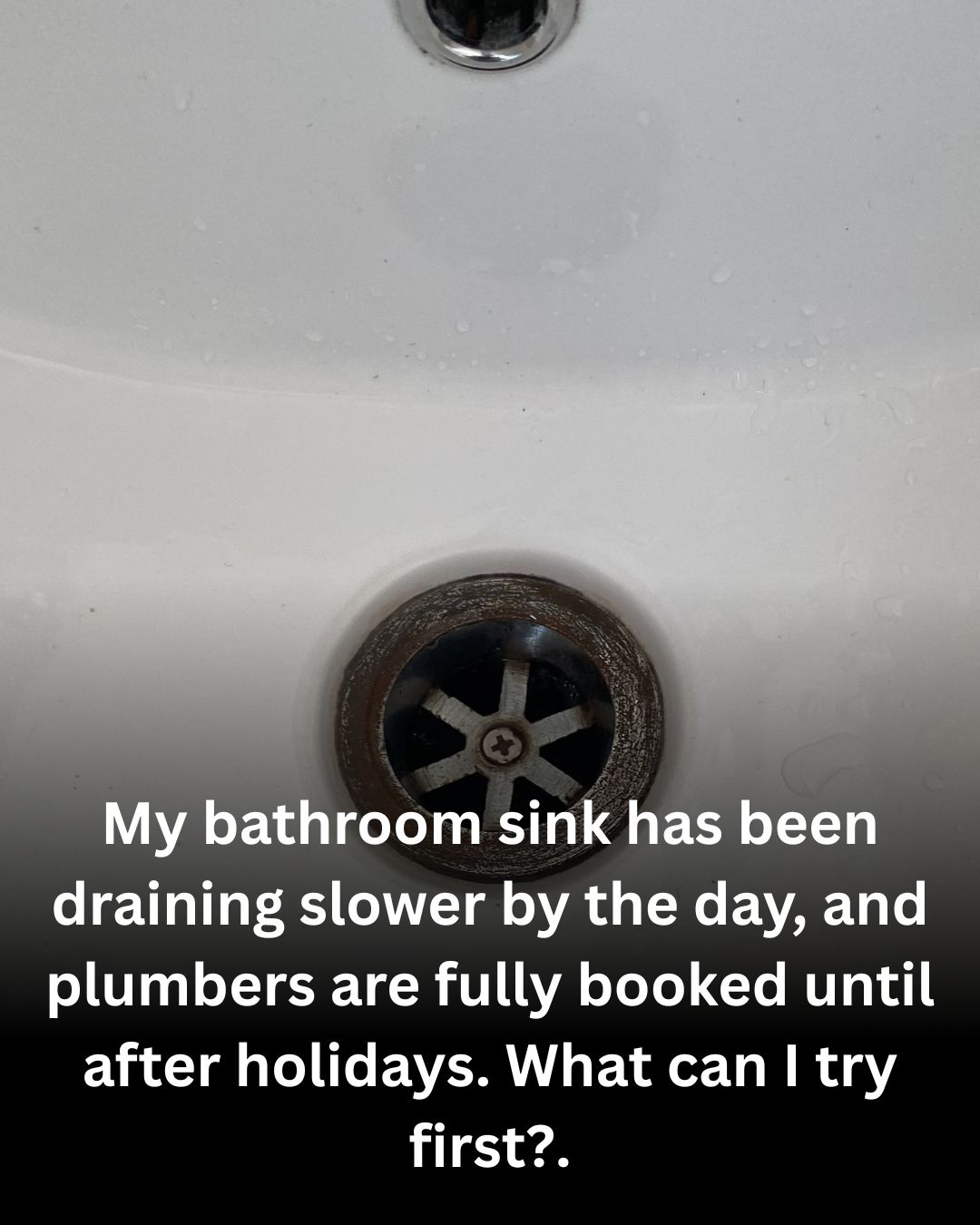
A sluggish bathroom sink is one of those problems that always seems to appear at the worst possible time. When professionals are booked and schedules are packed, handling the issue yourself can feel intimidating—but it doesn’t have to be. Most slow drains are caused by everyday buildup and can be improved using simple, safe methods and common household items. The key is approaching the problem step by step rather than jumping straight to harsh solutions.
Start by confirming whether the issue is limited to one sink or affecting multiple drains in your home. If only one sink is slow, the blockage is likely close to the surface. Begin by removing and cleaning the stopper, which often traps hair and soap residue. If that doesn’t solve it, use a simple tool like a notched zip tie or small drain snake to gently pull out debris just below the drain opening. These early steps often resolve the problem quickly with minimal effort.
If buildup persists, shift to methods that break down residue inside the pipes. Carefully flushing the drain with hot water can help dissolve soap film, while a baking soda and vinegar mixture offers a gentle, pipe-safe way to loosen clogs without relying on corrosive chemicals. For tougher obstructions, a wet/dry vacuum or a properly used plunger can create enough pressure to dislodge trapped material. Each method builds on the last, allowing you to escalate only if needed.
When surface solutions fail, cleaning the P-trap under the sink is often the most effective DIY fix. Though slightly messy, it directly removes collected debris and restores flow. Once the sink drains properly again, prevention becomes essential: use a drain strainer, rinse weekly with warm water, and avoid sending hair or heavy residue down the drain. And if the problem continues despite these efforts, that’s the signal to pause and wait for a professional—knowing when to stop is just as important as knowing how to start.