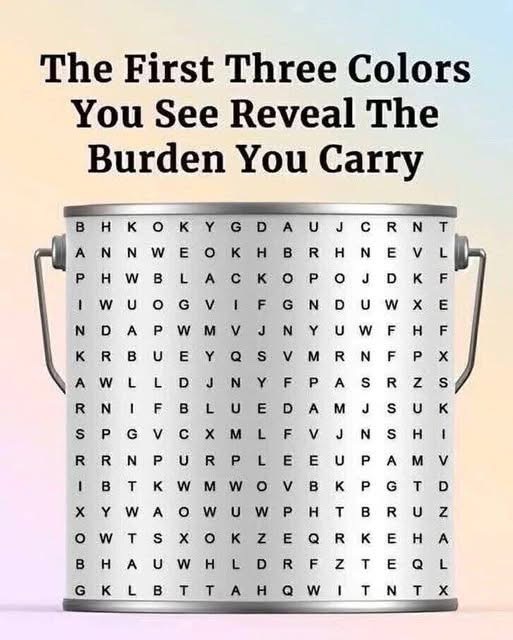
Colors often communicate before we ever speak. They shape first impressions, influence mood, and quietly stir emotion without asking for attention. While it’s easy to think of color as a simple preference, the shades we gravitate toward frequently mirror what’s happening beneath the surface. Paying attention to these choices can offer insight into emotional needs we may not yet have named.
Start by noticing which colors draw you in during certain moments. Bold hues like red tend to appear when energy feels low or when there’s a desire for intensity and movement. Red can signal confidence and passion, but it may also point to inner tension or a need to feel more alive. Cooler tones, such as blue, often emerge during periods when calm and clarity are needed, offering a sense of balance even as they sometimes reflect emotional distance or quiet reflection.
Next, consider colors that feel symbolic rather than practical. Purple, for example, is frequently associated with transition and introspection. People often feel drawn to it during times of personal change, when old chapters are closing and new ones are beginning. These colors don’t just decorate space or clothing—they echo inner shifts, helping the mind process transformation through visual comfort.
Finally, reflect on both attraction and avoidance. The colors you surround yourself with—and those you deliberately skip—can reveal just as much. Neutral tones may offer protection during vulnerable moments, while rejecting certain shades can signal discomfort with specific emotions. Color becomes a form of self-expression when words fall short. The next time a particular hue catches your eye, pause for a moment—it might be quietly telling you what you need most right now.