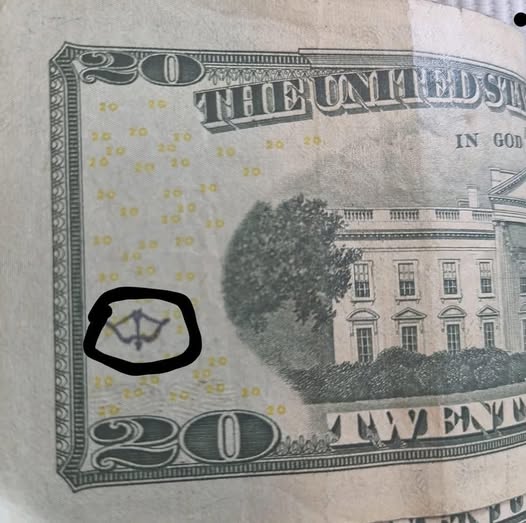
If you’ve ever examined a U.S. dollar bill and noticed small stamps, symbols, or ink impressions that seem out of place, it’s natural to wonder how they got there. These markings can look accidental or even concerning at first. In many cases, however, they are known as chop marks—signs left by currency handlers to show that a bill has been checked and accepted as genuine during its time in circulation.
To understand why they appear, it helps to look beyond U.S. borders. Chop marks are most commonly found in regions where American dollars are widely used alongside local currency, including parts of Asia, Africa, and Latin America. The practice traces back centuries, particularly in China, where merchants stamped coins to confirm weight and quality before completing transactions. As paper money replaced metal coins, the same method of verification continued.
These marks serve a practical role for money exchangers and traders. A small stamp signals to the next handler that the bill has already been examined, reducing the need for repeated checks in places without advanced detection tools. The impressions are usually modest in size and positioned away from serial numbers or security features, appearing as simple shapes, initials, or symbols.
While U.S. guidelines discourage altering currency, bills with chop marks generally remain legal tender and keep their full value. Occasionally, heavy markings may cause issues with machines or prompt questions at banks, but they are rarely a problem. When you come across one, you’re not just holding a dollar—you’re holding a quiet reminder of how money travels, carrying traces of global trade, trust, and exchange along the way.