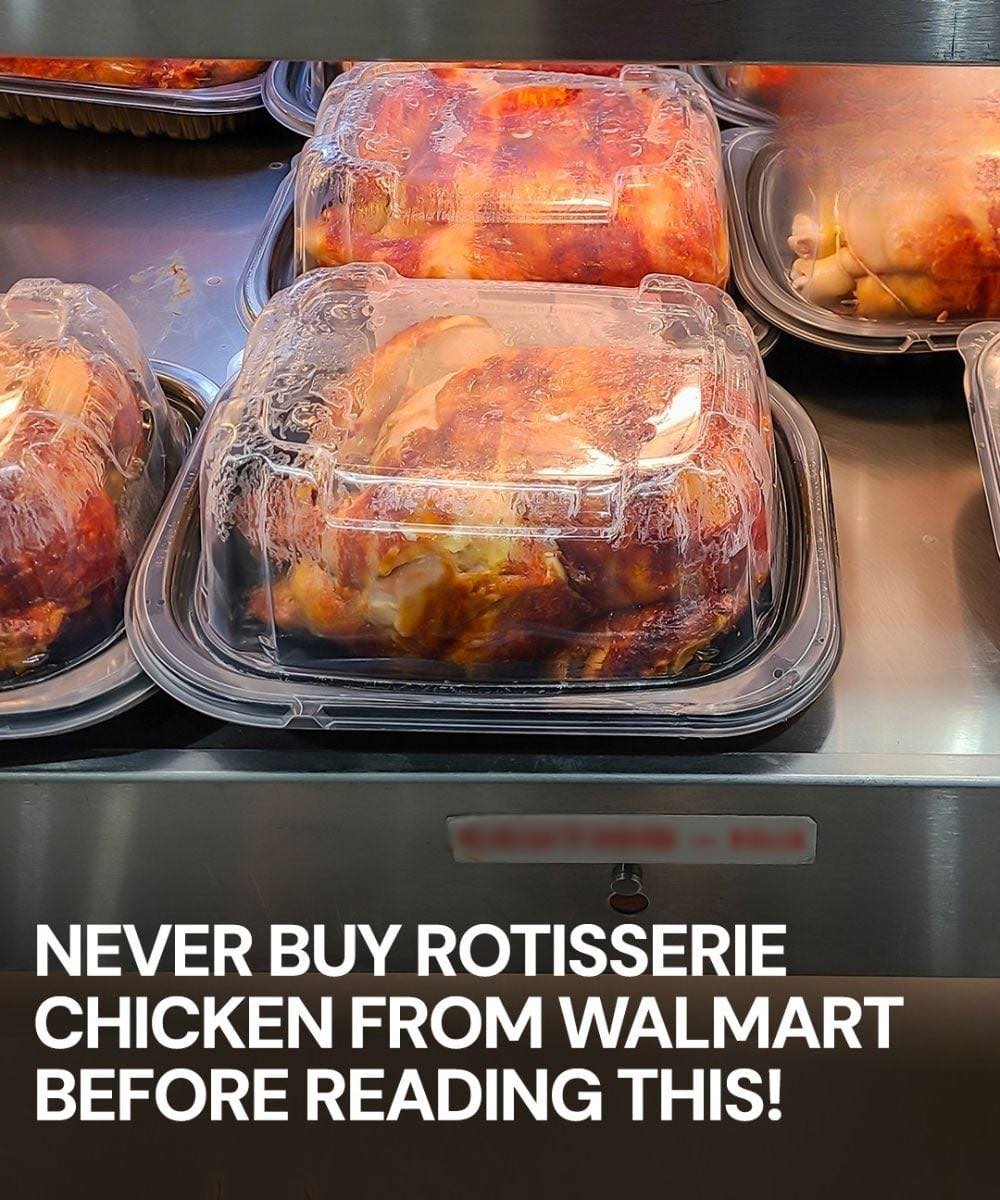
Grabbing a rotisserie chicken can feel like an easy win on a busy day, but a few careful checks still matter. Before placing one in your cart, take a moment to review the basics: clearly printed preparation and expiration dates, a hot holding temperature, and packaging that is clean, intact, and tightly sealed. Displays that feel lukewarm, labels that are smudged or missing, or containers with visible leaks are simple signals to skip that option and choose another.
Paying attention to these details is an important part of reducing unnecessary risk. Proper temperature control and clean packaging help ensure the chicken has been handled and stored correctly. Even when you’re short on time, it’s worth slowing down for a few seconds to confirm that everything looks and feels right. Small observations at the store can make a meaningful difference later.
It’s also helpful to look beyond immediate convenience and consider what’s inside the product. Many prepared chickens contain added sodium and flavoring ingredients that may not align with long-term wellness goals. Checking the nutrition and ingredient labels can help you decide whether it fits into your usual eating habits, especially if rotisserie chicken is a regular purchase.
For those who want even more control, preparing a whole chicken at home is a practical alternative. Roasting your own allows you to choose the seasonings, manage salt levels, and enjoy a fresher result tailored to your taste. Whether you buy ready-made or cook it yourself, making informed choices is a simple way to support both safety and everyday well-being.