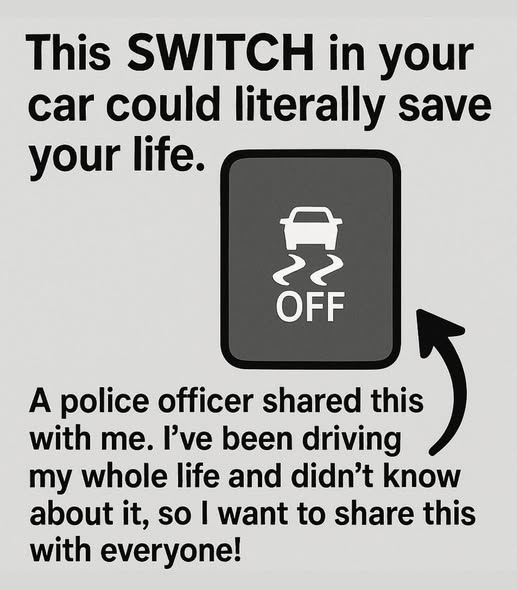
Learning to drive often comes with a mix of excitement and anxiety, and for many people, those early nerves can linger long after the license is earned. Heavy traffic, sudden stops, and unpredictable situations can still feel stressful, even for experienced drivers. That’s why modern vehicles are equipped with a range of safety features designed to offer extra protection. Some alerts, like persistent seatbelt reminders, may feel inconvenient, but they are intentionally designed to encourage habits that reduce risk and support safer driving.
Beyond the features most drivers use every day, many cars include safety tools that aren’t widely discussed. One important example is the emergency trunk release, typically found on the inside of the trunk lid. In rare but serious situations, such as being trapped inside a locked vehicle, understanding how to reach the trunk through fold-down seats and activate this release can provide a critical exit. This small detail is easy to overlook, yet it can be invaluable when time matters.
Another often-overlooked component is the headrest. While its main purpose is to support the head and neck, the metal posts beneath it can, in some vehicles, be removed and used as a tool to break a side window during an emergency. This option may not be suitable for every car, but knowing whether your vehicle allows for it adds another layer of preparedness and awareness.
Staying safe on the road ultimately comes down to knowledge and routine. Taking time to review your car’s manual, understanding where key safety features are located, and practicing attentive driving all contribute to greater confidence behind the wheel. When drivers are familiar with their vehicles and prepared for unexpected moments, everyday travel feels more controlled, calm, and secure.