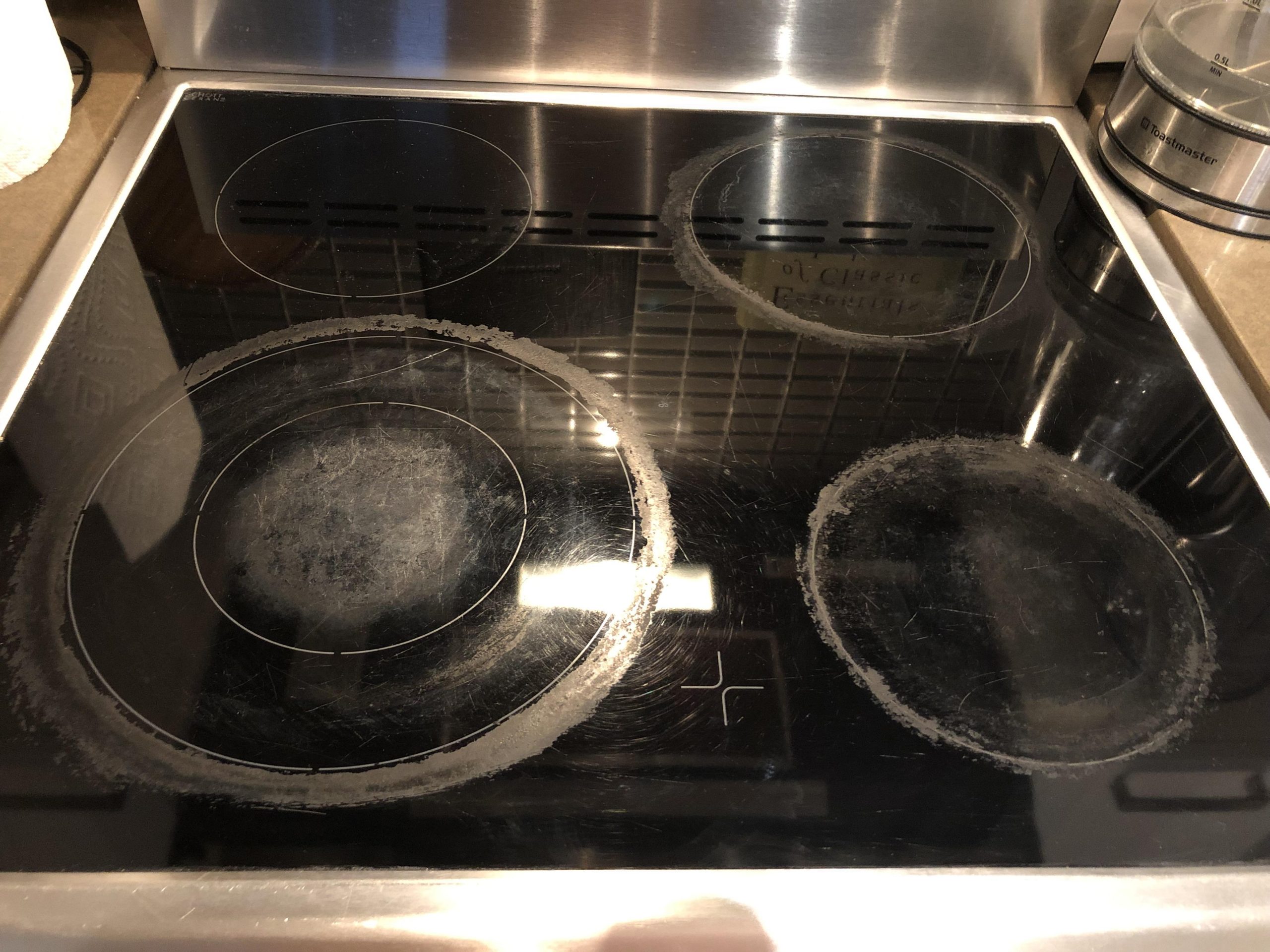
Glass stove tops, commonly used in induction and ceramic cooktops, are popular for their clean lines, contemporary style, and efficient performance. Induction models, in particular, heat cookware directly, allowing for quick temperature adjustments and improved energy efficiency. Beyond performance, the smooth glass surface adds a polished look to the kitchen and simplifies daily cleaning compared to traditional gas or coil ranges.
Despite their appeal, glass cooktops require mindful care to stay in good condition. Scratches, discoloration, and surface damage can occur over time if proper maintenance is overlooked. To protect both appearance and safety, it’s important to watch for early warning signs such as visible scratches, chips, cracks, stubborn stains, uneven heating, or unexpected sounds during operation. Identifying these issues early can help prevent more serious problems later.
Effective maintenance starts with regular, gentle cleaning. Using a soft cloth or sponge with mild dish soap or a cooktop-specific cleaner helps remove residue without damaging the surface. Abrasive pads, harsh chemicals, and steel wool should be avoided, as they can cause permanent marks. Cleaning spills as soon as the surface cools and using a light baking soda paste for tougher spots can help preserve the glass without compromising its finish.
For minor cosmetic wear, repair kits designed for ceramic glass may reduce the appearance of light scratches, while small chips can sometimes be temporarily filled with clear epoxy. Long-term care, however, relies on prevention: choose cookware with smooth, flat bases, lift pots instead of sliding them, and inspect the surface regularly for changes. When cracks become noticeable or performance issues persist, professional evaluation or replacement is the safest option. With consistent care and thoughtful use, a glass stove top can remain both functional and visually appealing for years to come.