
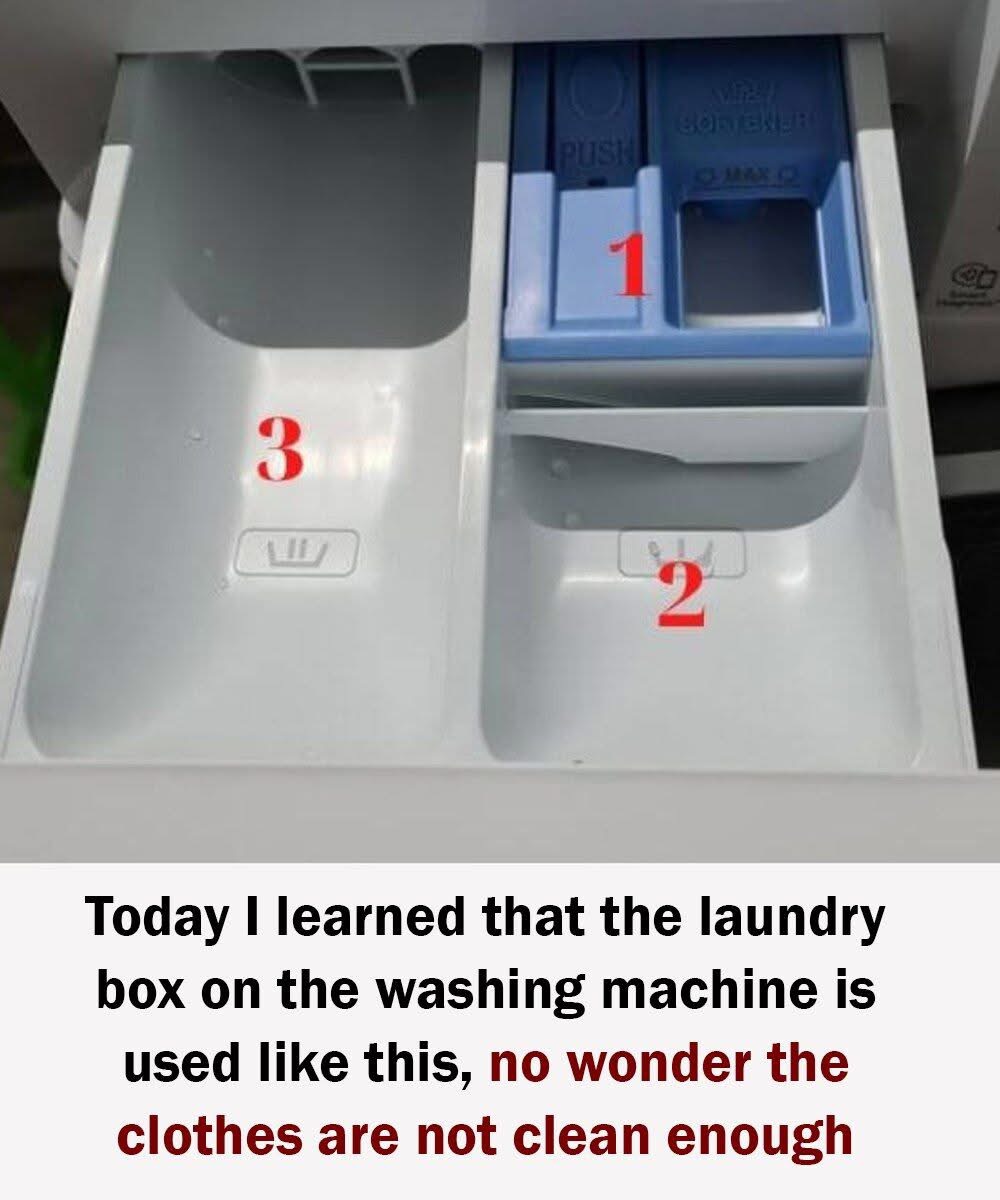
If your clothes come out of the washer smelling less than fresh or looking slightly dull, the problem may not be the appliance itself—it could be the detergent drawer. This small but essential component plays a major role in how effectively detergent and softener are distributed during a wash cycle. Over time, soap residue, lint, and moisture can accumulate inside the drawer, creating buildup that interferes with proper dispensing and can even contribute to unwanted odors.
The solution begins with a simple step: remove the detergent drawer. Most washing machines include a small release tab that allows it to slide out easily. Once removed, rinse each compartment under warm water and use a mild cleaning solution to break down residue. A soft brush or an old toothbrush can help reach tight corners and grooves where buildup often hides. After scrubbing, rinse thoroughly and let the drawer dry completely before placing it back into the machine.
It’s equally important to clean the cavity inside the washer where the drawer sits. Residue can collect in this area as well, and if left unchecked, it may drip back into the wash during future cycles. Understanding how to use each compartment correctly also improves results. In most machines, the section marked “I” is for pre-wash detergent, “II” is for the main wash, and the flower symbol indicates fabric softener. Filling beyond the indicated maximum line can cause detergent to remain trapped or leave streaks on clothing.
Regular maintenance of the detergent drawer can significantly enhance your laundry routine. A quick clean every few weeks helps prevent buildup, supports efficient detergent flow, and keeps your machine operating smoothly. Paying attention to this often-forgotten detail can mean fresher-smelling fabrics, brighter garments, and a washer that performs at its best. Sometimes, the smallest adjustments make the biggest difference.