
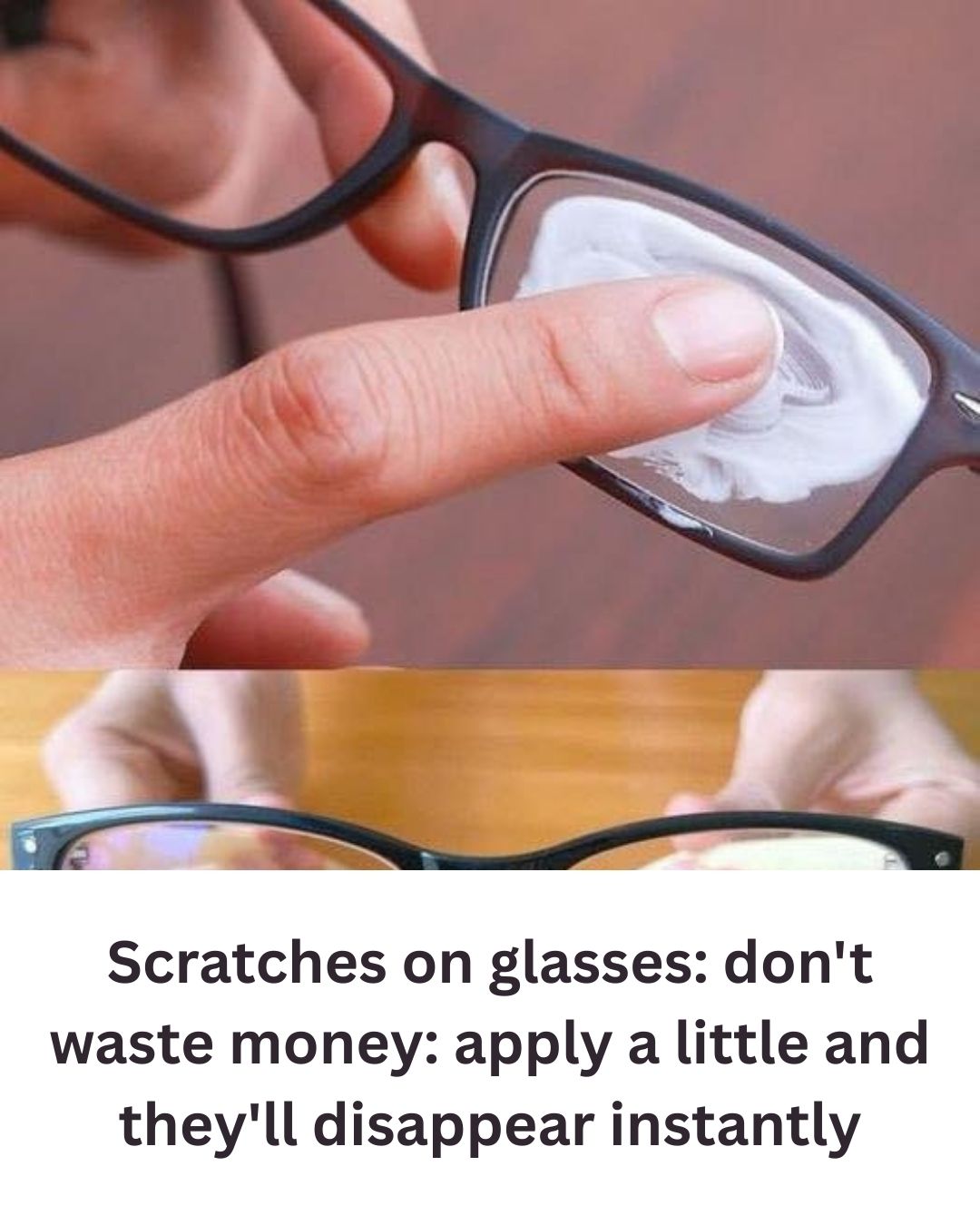
Scratches on eyeglass lenses can quickly turn into a daily annoyance. Even minor marks may create glare, blur details, or make reading and driving less comfortable. It’s understandable to search for an easy fix instead of investing in new lenses. However, before reaching for a household remedy, it’s important to know which approaches protect your eyewear—and which can cause permanent damage.
Although many modern lenses include scratch-resistant coatings, they are not immune to wear. Placing glasses face-down on a table, carrying them unprotected in a bag, cleaning them with paper towels, or using strong chemical cleaners can gradually leave marks behind. Over time, tiny surface abrasions may accumulate and reduce visual clarity. Understanding how scratches happen is the first step toward preventing them.
You may have seen suggestions online recommending toothpaste or other abrasive products to “buff out” scratches. While these tips are widely shared, they can do more harm than good. Most lenses today feature specialized coatings such as anti-reflective, UV-blocking, or blue-light filters. Abrasive substances can strip these protective layers, leaving cloudy patches or worsening the damage. Once these coatings are compromised, they cannot be restored at home. For this reason, eye care professionals typically advise against do-it-yourself scratch removal methods.
A safer approach starts with proper cleaning. Rinse lenses under lukewarm water, apply a small drop of mild dish soap, gently clean with your fingertips, and dry with a microfiber cloth. Sometimes residue or buildup can mimic scratches. If marks remain and affect your vision, consult an optician to discuss repair or lens replacement options. Storing glasses in a hard case, avoiding harsh cleaners, and using only approved cloths can significantly extend their lifespan. When it comes to clear vision, careful maintenance is far more effective than risky shortcuts.