
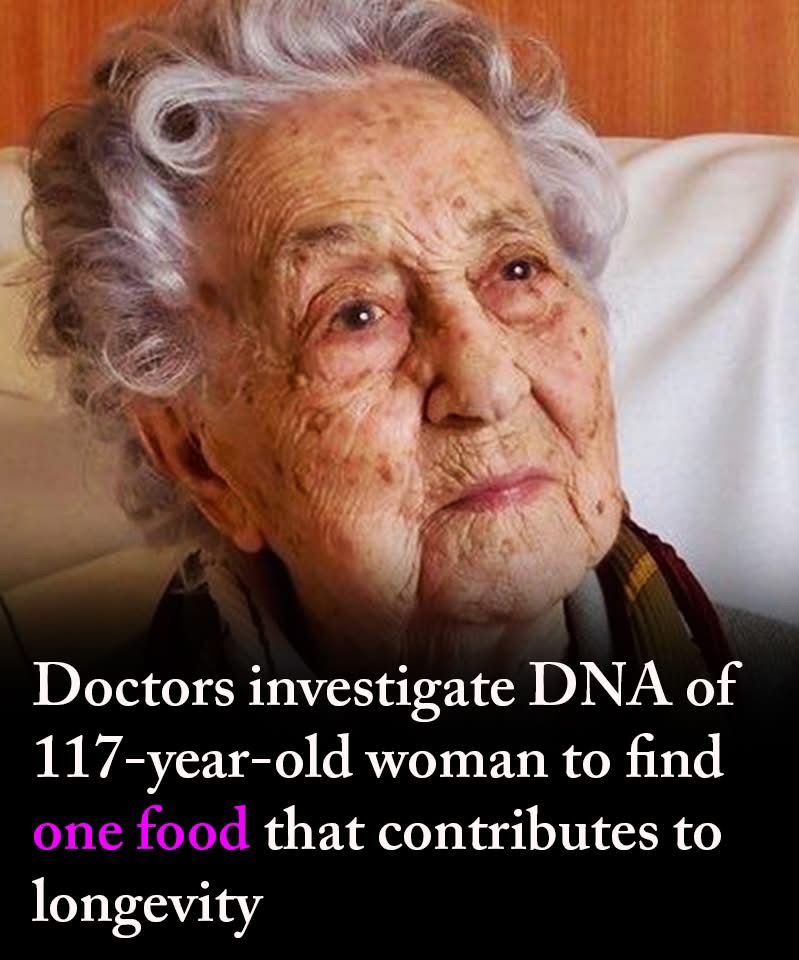
For generations, researchers have searched for patterns that help explain why some individuals live exceptionally long lives in good health. The story of Maria Branyas Morera, who lived to the age of 117, has drawn global interest in the science of aging. Born in San Francisco in 1907 and later raised in Catalonia, Spain, she experienced more than a century of social and medical change. Before her passing in 2024, she expressed a wish that her biology be studied, hoping researchers might learn from her resilience.
Scientists from the University of Barcelona and the Josep Carreras Leukaemia Research Institute examined her genetic and cellular profile. According to their findings, certain markers in her body resembled those typically seen in individuals much younger. Her cholesterol levels, metabolic balance, and cellular function suggested that aging and illness do not always progress at the same rate. Researchers also observed unusual preservation in her telomeres—the protective caps at the ends of chromosomes—which are often associated with cellular aging.
While genetics likely played a role, lifestyle factors were equally significant. Maria reportedly avoided smoking and excessive alcohol, maintained moderate daily activity, and remained socially engaged with family and community. One consistent habit was her daily consumption of yogurt, particularly a probiotic-rich Spanish brand. Fermented dairy products contain beneficial bacteria that may support gut balance and immune health. She also favored nutrient-dense breakfasts, often including cereal-based blends that provided fiber and essential nutrients. These simple routines, sustained over decades, may have supported her overall vitality.
Researchers concluded that her longevity was likely the result of a combination of favorable genetics and steady, health-supportive habits. Often referred to as the “Super Grandmother of Catalonia,” Maria’s life highlights an important principle: healthy aging is rarely about one single factor. Instead, it reflects the interaction between biology, daily choices, emotional well-being, and community connection. Her example reminds us that consistent, balanced routines—combined with positive social ties—can play a meaningful role in supporting long-term wellness.