
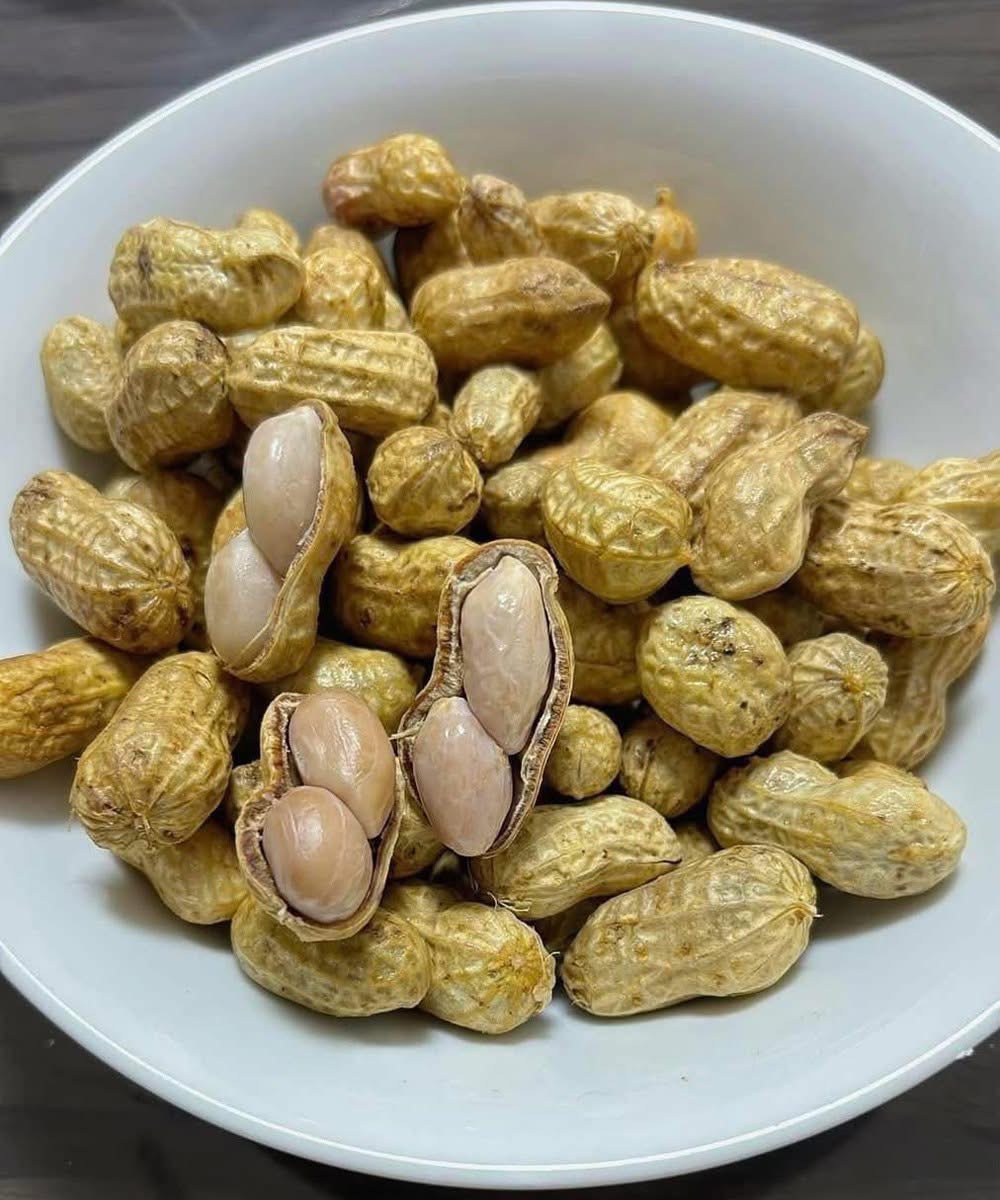
Peanuts are a popular ingredient found in many everyday foods, from crunchy snacks to creamy spreads. Beyond their satisfying flavor, they offer an impressive nutritional profile. Peanuts provide plant-based protein, dietary fiber, and healthy fats that help support balanced eating habits. They also contain several important vitamins, including vitamin B6 and vitamin E, along with minerals such as magnesium, phosphorus, and iron. These nutrients contribute to overall wellness and make peanuts a practical addition to a varied diet.
Including peanuts in moderate portions may help support heart health and provide long-lasting energy. Their combination of protein, fiber, and healthy fats can help promote a feeling of fullness, which may assist with appetite control during the day. In addition, peanuts have a relatively low impact on blood sugar when eaten in reasonable amounts, making them a convenient snack option when paired with a balanced meal plan.
Peanuts can be enjoyed in several forms, including roasted, boiled, or blended into spreads. While nutritious, they are best consumed in moderation because they are calorie-dense. It is also important to choose fresh, high-quality peanuts and store them properly to maintain their flavor and quality. Avoid consuming peanuts that appear moldy or have an unusual smell, as food safety should always be a priority.
Although peanuts are safe for many people, some individuals should be cautious. Those with peanut allergies should avoid them entirely, as allergic reactions can be serious. People with specific dietary restrictions or medical conditions may also wish to consult a healthcare professional before making significant dietary changes. When enjoyed responsibly, peanuts can be a versatile and nutritious food that adds flavor, energy, and variety to everyday meals.