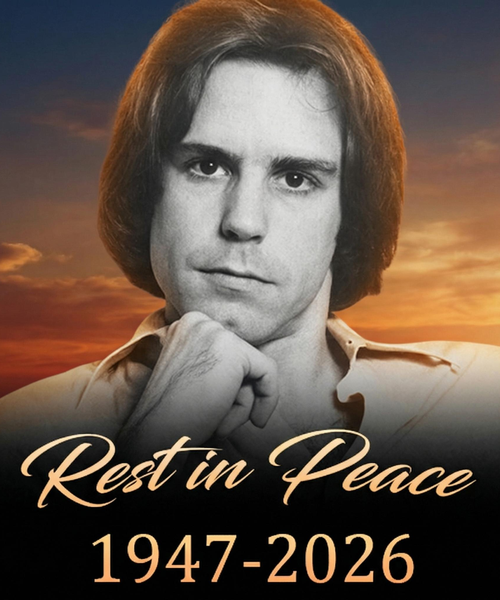
Few artists have left a lasting mark on live music culture quite like Bob Weir. As a founding member of Grateful Dead, he helped shape a musical philosophy that valued spontaneity, connection, and shared experience. What began as a loose, experimental project on the West Coast grew into a cultural phenomenon that redefined concerts as communal journeys rather than scripted performances.
Throughout decades of touring and recording, Weir’s commitment to the live stage never faded. Instead of retreating as musical trends evolved, he continued exploring new directions through reunion shows, side projects, and collaborative bands that carried forward the spirit of exploration. These performances consistently bridged generations, welcoming longtime followers while inviting new audiences into a tradition built on curiosity and openness.
The story traces back to the early 1960s, when a chance musical meeting sparked a partnership that would eventually reshape American rock. The group became known for long-form improvisation, ever-changing setlists, and an approach that resisted repetition. Weir’s rhythm guitar style brought balance and cohesion to expansive jams, while his songwriting added narrative depth to a catalog that continues to influence musicians across genres.
Beyond his role on stage, Weir is widely respected for his thoughtful perspective on creativity and collaboration. He has long viewed music as something alive—meant to change, respond, and grow with the people who create and experience it. Rather than standing as a symbol of nostalgia, his career reflects continuity and adaptability, showing how meaningful art can evolve across decades while remaining rooted in its original spirit.