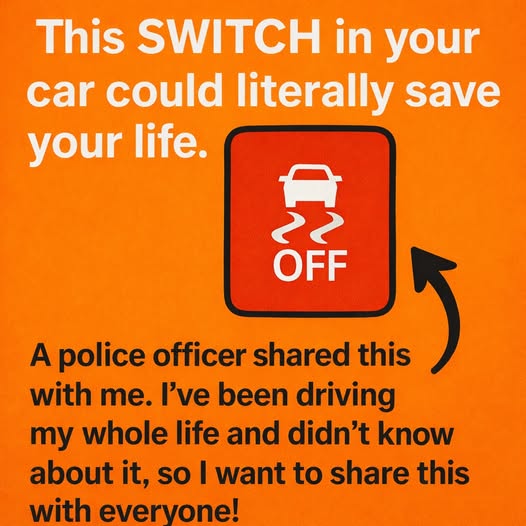
Learning to drive often comes with a mix of excitement and anxiety. In the early days, even small tasks like changing lanes or navigating busy intersections can feel overwhelming. Those feelings don’t always disappear with time, either. Traffic conditions change, distractions exist, and quick decisions are sometimes required. That’s exactly why modern vehicles are equipped with safety features that may seem irritating at first, such as persistent seatbelt alerts.
How to rethink common safety reminders: These features aren’t designed to interrupt your drive without reason. They are built to reduce risk and protect you in moments when reactions matter most. In addition to well-known systems, many cars include built-in safety tools that drivers rarely notice during everyday use. One example is the emergency trunk release, typically marked and placed inside the trunk for visibility.
How to recognize lesser-known escape options: In rare but serious situations, this internal release can offer a clear way out. Some vehicles also allow access through fold-down rear seats, providing another potential exit route. Even everyday components like headrests can serve an unexpected purpose. While they are primarily meant to support the neck and reduce strain, their metal supports may help create an opening if standard exits are blocked.
How to prepare before you need it: Not every method works in every vehicle, which makes familiarity essential. Take time to explore your car’s layout, read the owner’s manual, and understand where safety features are located. Combine that knowledge with attentive driving habits and minimal distractions. Confidence on the road grows from preparation—and knowing your vehicle well could make all the difference when it matters most.