
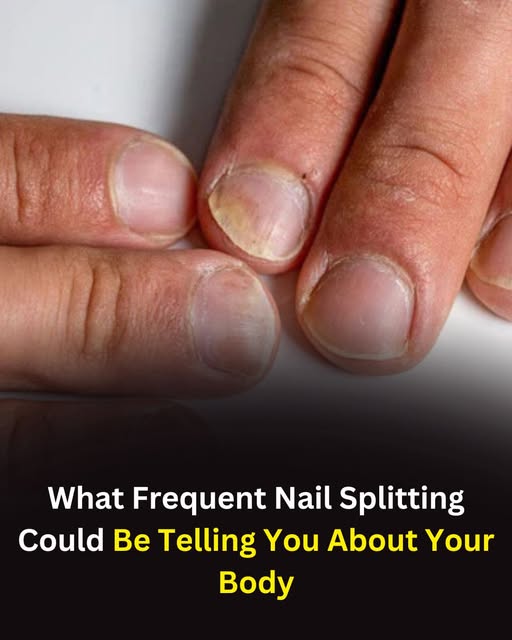
Fingernails may appear to be a small detail of our appearance, but they can provide useful insight into overall well-being. Healthy nails are usually smooth, firm, and evenly colored. When nails begin to peel, split, or break frequently, the cause is often related to everyday habits such as frequent handwashing or exposure to cleaning products. In some situations, however, persistent nail brittleness may suggest that the body needs improved care, balanced nutrition, or lifestyle adjustments that support healthy nail growth.
Understanding how nails develop can help explain why splitting occurs. Nails are primarily made of keratin, a durable protein also found in hair and skin. They grow from the nail matrix located beneath the cuticle, and their strength depends on several factors, including proper hydration, circulation, and adequate nutrient intake. When the body lacks certain vitamins, minerals, or protein, the quality of nail growth may change, leading to nails that appear thinner or more fragile over time.
Several common factors can contribute to nails that split easily. Frequent contact with water can weaken the layers of the nail, especially for people who regularly wash dishes or clean with water. Exposure to strong chemicals found in household cleaners or nail products can also strip away natural oils that help protect the nail surface. In addition, dehydration, aging, and repeated physical stress—such as biting nails or using them as tools—may gradually lead to brittleness and peeling.
Maintaining stronger nails often involves simple daily habits. Eating a balanced diet rich in nutrients such as iron, zinc, biotin, and protein supports normal nail growth. Keeping hands and cuticles moisturized, limiting exposure to harsh chemicals, and wearing protective gloves during household tasks can also help protect nail structure. While occasional nail splitting is common and usually harmless, paying attention to these small changes can encourage healthier routines that benefit both nails and overall well-being.