
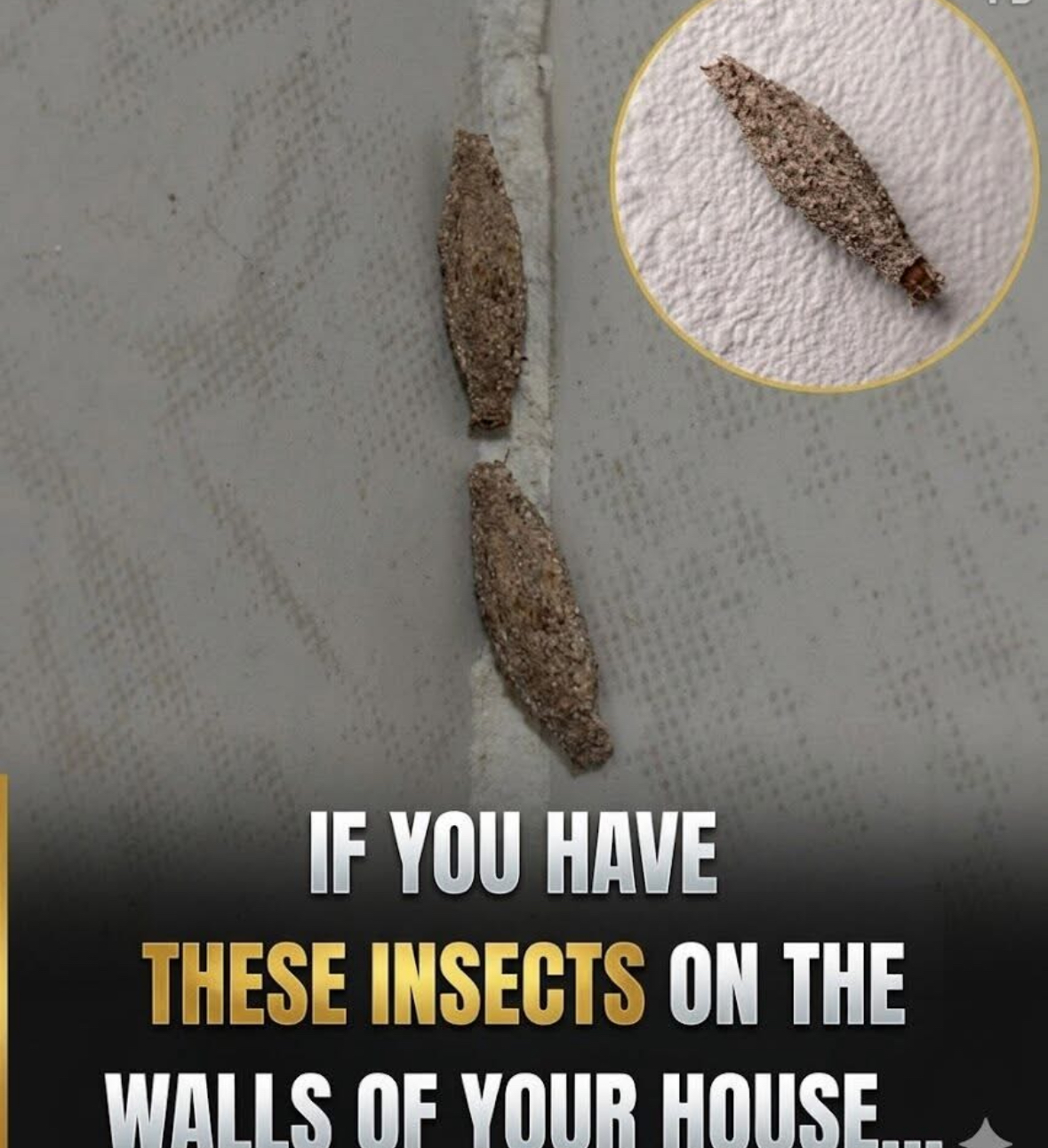
Bagworms, often referred to as case-bearing moth larvae, are small insects known for their unique ability to blend into their surroundings. They create protective coverings from dust, fibers, and tiny debris, which allows them to attach themselves to surfaces without being easily noticed. Although they are not harmful to people, their presence indoors can be unpleasant and may indicate conditions such as excess dust, high humidity, or areas that are rarely cleaned. Understanding where these insects tend to hide is an important first step toward keeping living spaces clean and comfortable.
One place bagworms frequently appear is along walls and in upper corners near ceilings. These spots often gather fine dust and cobwebs that can serve as materials for their protective cases. Because these areas are not always included in routine cleaning, small tube-shaped structures may remain unnoticed for long periods. Checking wall corners, ceiling edges, and other quiet surfaces during regular cleaning can help identify early signs before the insects become more widespread.
Closets, bedrooms, and fabric-filled areas can also attract bagworms. They are drawn to places where textiles such as clothing, bedding, curtains, or carpets are present, since fibers from these materials help them construct their cases. Spaces behind furniture, along baseboards, or inside wardrobes are especially appealing because they are dark, quiet, and rarely disturbed. Regular vacuuming, washing bedding, and occasionally moving stored items can reduce the chance of insects settling in these locations.
Maintaining a tidy home environment is one of the simplest ways to discourage bagworms. Routine cleaning of corners, carpets, closets, and storage areas helps remove the dust and fibers they depend on. Improving airflow and reducing excess humidity—especially in bathrooms, laundry areas, and basements—can also make the indoor environment less inviting for these insects. With consistent maintenance and awareness of their favorite hiding spots, homeowners can keep their spaces clean while preventing unwanted pests from quietly moving in.