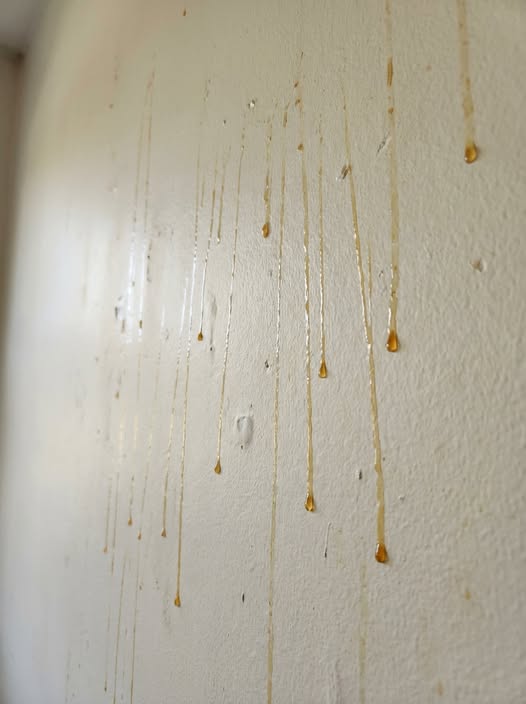
Noticing yellow streaks running down your bathroom walls can be surprising, but the explanation is usually straightforward. In most cases, these marks are the result of moisture interacting with everyday residue already present on surfaces. Steam from hot showers can mix with dust, soap particles, or older buildup, creating drips that become visible as they dry. Rather than something unusual, these streaks are often a sign that your bathroom environment needs a bit more balance.
The first step is to understand what’s behind the marks. If the streaks appear after showers, excess humidity is likely the main factor. In spaces with limited ventilation, moisture lingers longer, allowing particles to collect and form visible lines. If the stains feel slightly sticky or reappear quickly after cleaning, they may be linked to older residue trapped beneath layers of paint or surface buildup. In consistently damp or poorly lit areas, early signs of mold or mildew can also contribute to similar-looking streaks.
Once the source is clear, you can take simple steps to manage it effectively. Improving airflow is essential—use an exhaust fan during and after showers or open a window to reduce humidity levels. Regularly wiping down walls and tiles helps prevent residue from settling. For cleaning, start with mild solutions for general buildup and use more targeted products when dealing with persistent stains. Consistency is key, as routine care prevents the issue from returning.
Instead of viewing these streaks as just a cosmetic problem, consider them a helpful signal from your home. They highlight areas where moisture or residue is building up and give you the chance to address it early. With small adjustments and regular maintenance, you can keep your bathroom looking clean while also supporting a more comfortable and well-maintained living space.