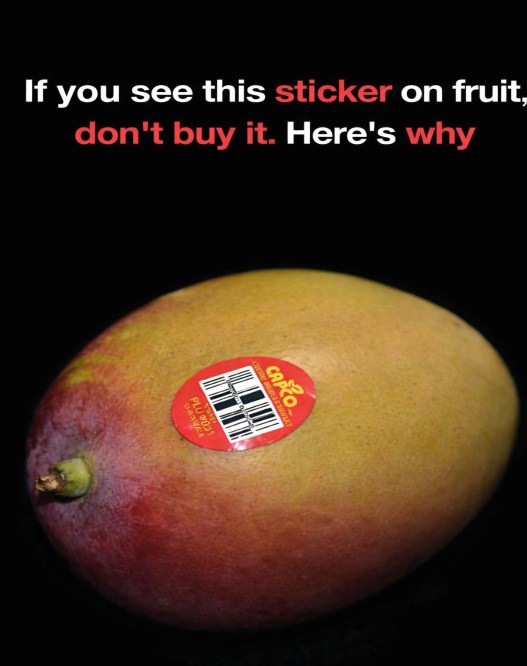
Those small stickers attached to fruits and vegetables often go unnoticed, yet they contain information many shoppers find useful. Known as PLU, or Price Look-Up codes, these numbers were originally created to help stores identify produce at checkout. Over time, people have realized that the codes can also offer insight into how food is grown. As interest in sourcing and sustainability grows, learning what these numbers mean can help make grocery shopping more informed.
The first step is understanding how the codes are structured. A four-digit PLU code typically indicates produce grown through conventional farming methods. When the code has five digits and begins with a 9, it identifies organic produce. You may occasionally hear about codes starting with an 8, which were once proposed to label certain growing techniques, though they are rarely used today. While a sticker can’t answer every question about food production, it does provide a useful reference point.
Knowing the difference between farming approaches adds valuable context. Conventional agriculture has helped make food widely available and affordable, but it can also involve practices that raise environmental concerns in some areas. Organic farming focuses on soil health, biodiversity, and reduced use of synthetic inputs, which many people view as supportive of long-term sustainability. Each approach has benefits and limitations, and personal priorities often determine which matters most.
Recognizing PLU codes allows shoppers to connect everyday purchases with their preferences and values. When paired with choosing seasonal or locally grown produce, this small habit can encourage more mindful consumption. Paying attention to simple details like produce stickers turns routine shopping into an opportunity for informed choices, showing how even modest bits of information can guide decisions at home.