
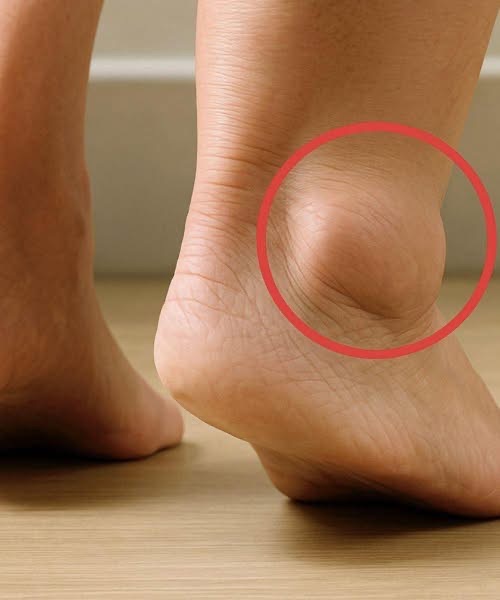
Swelling in the feet and ankles is a common experience for many older adults. Occasionally, it may happen after standing or sitting for long periods, but persistent swelling can sometimes signal that the body needs extra care. Understanding why swelling occurs—and what steps may help manage it—can support comfort, mobility, and overall well-being as people age.
This type of swelling is often referred to as edema, which occurs when excess fluid builds up in the body’s tissues, especially in the lower legs and feet. As circulation naturally changes with age, blood and fluids may move more slowly through the body. When fluid does not circulate efficiently, it can collect in the ankles or feet, creating visible swelling and a feeling of tightness or heaviness.
Several factors may contribute to this condition. Reduced circulation from long periods of sitting or standing is one common cause. In some cases, conditions such as chronic venous insufficiency—when veins have difficulty returning blood to the heart—may play a role. Certain medications can also contribute to fluid retention, and in some situations swelling may be associated with broader health conditions affecting the heart, kidneys, or liver. For that reason, persistent swelling should always be discussed with a healthcare professional.
Fortunately, simple lifestyle habits may help reduce discomfort in many cases. Gentle physical activity such as walking can support healthy circulation, while elevating the feet periodically may help fluid move away from the lower legs. Wearing supportive footwear or compression socks can also improve comfort. Additionally, maintaining a balanced diet with moderate sodium intake and plenty of fruits and vegetables may support healthy fluid balance. With awareness and small daily adjustments, many people can manage occasional swelling and maintain an active lifestyle.