
Parasites and other microorganisms are often associated with serious health concerns, especially in regions where sanitation and food handling practices may vary. While many improvements in hygiene and food safety have reduced these risks in numerous countries, foodborne illnesses can still occur when ingredients are not cleaned or prepared properly. Raw foods, particularly those grown in moist or muddy environments, may occasionally carry bacteria or parasites if they are not handled with care.
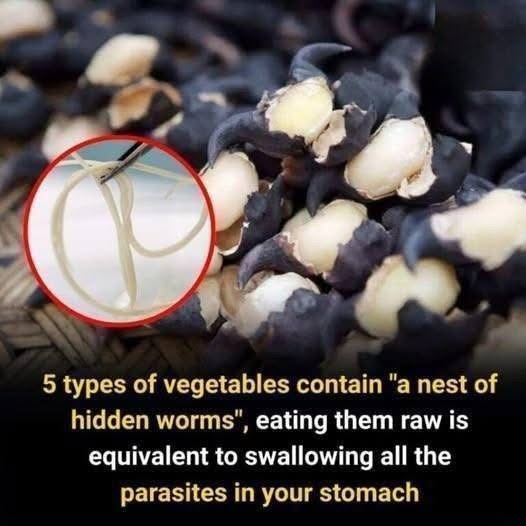
Certain vegetables that grow in wetlands, ponds, or rice fields require extra attention during preparation. For example, water chestnuts and lotus roots often develop in muddy soil, which can allow microorganisms to cling to their surfaces. Similarly, vegetables such as water celery, arrowhead, and water caltrop thrive in damp environments where contamination from soil or water may occur. Eating these foods raw or undercooked could increase the chance of exposure to unwanted microbes if they are not thoroughly washed.
The good news is that simple kitchen practices can greatly reduce potential risks. Washing vegetables carefully under running water, peeling outer layers when possible, and cooking foods thoroughly are effective ways to remove or destroy many harmful organisms. Methods such as boiling, steaming, or stir-frying not only improve food safety but also enhance flavor and texture. Maintaining clean utensils, cutting boards, and hands during food preparation also plays an important role in preventing contamination.
Awareness and proper food handling are key to enjoying nutritious vegetables safely. Many of these ingredients are rich in vitamins, minerals, and fiber that support a balanced diet. By taking a few extra steps to clean and cook them properly, individuals can continue to enjoy their nutritional benefits while minimizing potential health risks. Careful preparation ensures that healthy meals remain both delicious and safe.