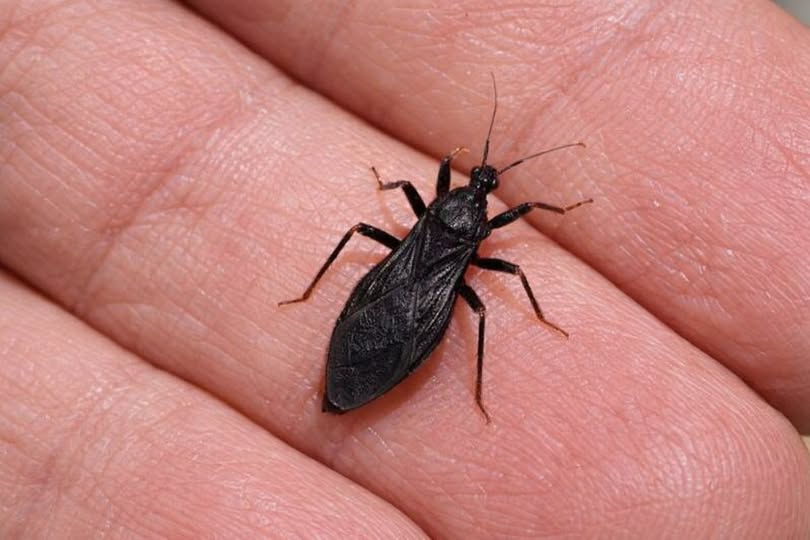
Warmer months often mean more time outdoors—and increased contact with insects. Among them is the assassin bug, sometimes referred to as the “kissing bug.” While encounters are relatively uncommon for most households, it’s helpful to understand where these insects are found and how to reduce exposure. Being informed allows you to enjoy the season with greater confidence and peace of mind.
These insects are typically found in outdoor environments such as gardens, woodpiles, under porches, or near areas where animals rest. In some cases, they may enter homes through small openings around windows, doors, or foundations. Simple preventive steps can make a difference: keeping outdoor areas tidy, removing debris, sealing cracks, and ensuring window screens are intact all help limit the chances of indoor contact.
Health information sources note that certain types of these insects can carry a parasite associated with Chagas disease. Transmission is not automatic and requires specific conditions, but awareness is still important. After any unusual insect bite, it’s useful to monitor for general symptoms such as fatigue, mild fever, or irritation near the bite area. These signs are not exclusive to one cause, which is why observation and professional guidance matter.
If you suspect a bite, gently clean the area with soap and water and avoid scratching. Reaching out to a healthcare professional can provide clarity and reassurance, especially if symptoms develop. In most cases, a calm and informed response is all that’s needed. By combining simple prevention with awareness, you can protect yourself and your household while continuing to enjoy the outdoors.