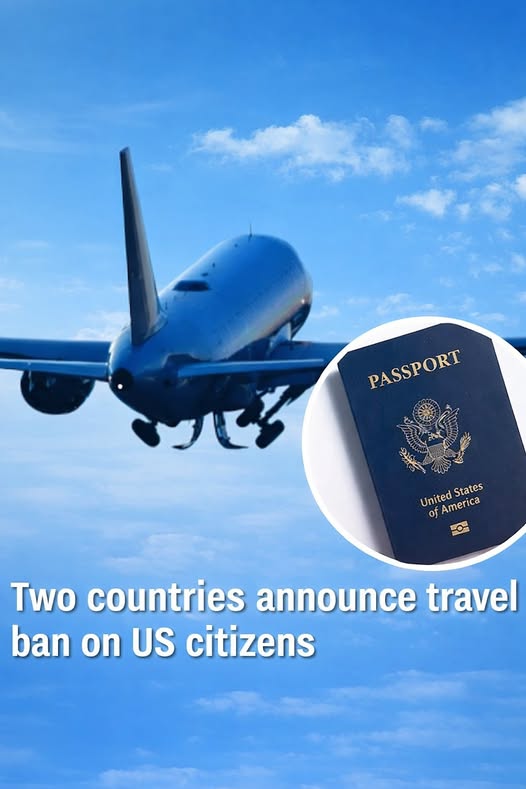
Recent decisions by several West African governments to limit entry for U.S. citizens suggest more than a short-lived diplomatic rift. Instead, they reflect a wider reassessment of balance and fairness in international relationships. By framing their actions around reciprocity, regional leaders emphasize mutual respect and equal treatment, signaling that countries once viewed as having limited leverage are increasingly asserting their voices in global affairs.
While official statements often focus on visas and border procedures, the effects reach well beyond policy discussions. Families with cross-border ties may encounter sudden travel barriers, academic partnerships can face delays, and humanitarian or development initiatives sometimes experience disruptions. These outcomes are most often felt by students, researchers, and community groups who are not involved in shaping high-level decisions but must adapt to their consequences.
From the U.S. perspective, tighter travel measures are typically described as administrative tools connected to security protocols and regulatory compliance. In contrast, leaders across the region have portrayed comparable policies as uneven, arguing they echo long-standing concerns about unequal access and mobility. These contrasting interpretations highlight how identical measures can carry very different meanings depending on diplomatic context and historical experience.
The discussion continues to evolve as Mali and Burkina Faso join earlier moves by Niger and Chad in adopting firmer travel positions. Taken together, these steps point to a shift in regional diplomacy, where autonomy and negotiation play a more prominent role. For observers, the moment underscores a familiar truth: rebuilding trust depends less on quick fixes and more on ongoing dialogue, transparency, and a shared commitment to cooperation.