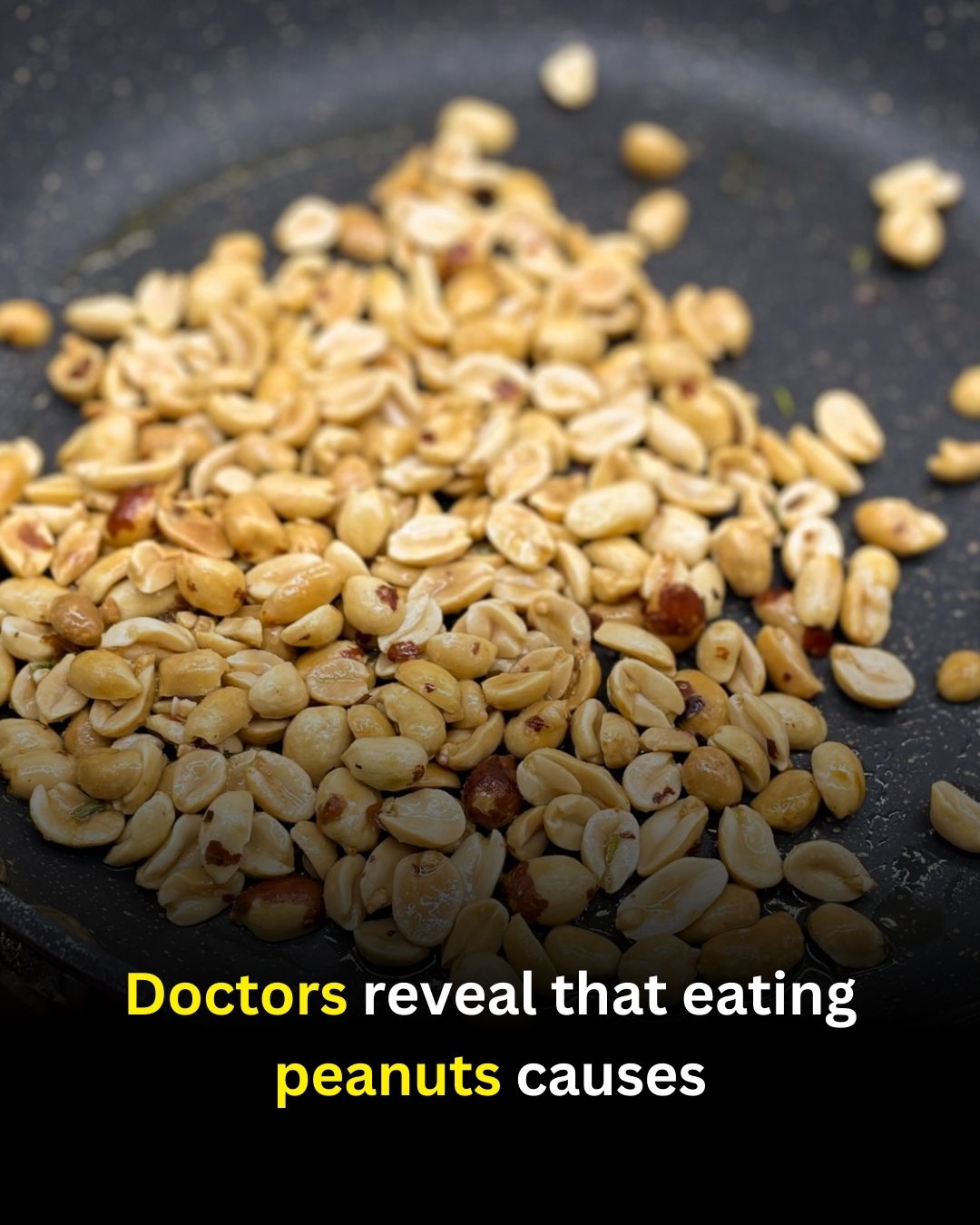
Peanuts are enjoyed across the globe for good reason—they’re affordable, versatile, and easy to incorporate into everyday meals. Found in everything from snacks and sauces to spreads and desserts, they offer more than just flavor. Like any food, peanuts come with both advantages and considerations, making it helpful to understand how they fit into a balanced lifestyle.
Nutritionally, peanuts stand out despite technically being legumes rather than tree nuts. They provide plant-based protein, fiber, and mostly unsaturated fats, along with vitamins such as vitamin E and several B vitamins, plus minerals like magnesium and phosphorus. Together, these nutrients support normal body functions, including energy metabolism and cardiovascular wellness. When eaten in moderate amounts, peanuts can be part of an eating pattern that promotes satisfaction after meals and steady energy throughout the day.
Peanuts may offer practical benefits when used thoughtfully. Their combination of protein, fat, and fiber digests slowly, which can help curb hunger between meals. They also contain natural antioxidant compounds that assist the body’s defenses against everyday oxidative stress. Replacing highly processed snacks or saturated fats with peanuts can support heart-conscious food choices, though they are not intended to treat or prevent medical conditions.
That said, mindful use matters. Peanuts are calorie-dense, so portion size—about a small handful—is key. Proper storage is also important, as spoiled peanuts should be discarded. Individuals with peanut allergies must avoid them entirely, and those with specific health considerations should follow professional guidance. Overall, peanuts can be a nutritious addition when enjoyed in moderation alongside fruits, vegetables, whole grains, and other wholesome foods, reinforcing the idea that balance is the foundation of healthy eating.