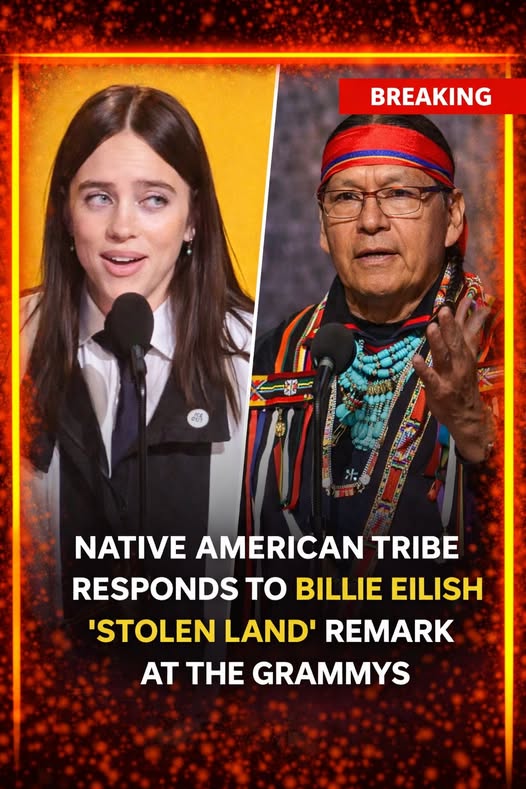
When Billie Eilish used a brief message during the Grammy Awards, the moment quickly moved beyond the stage. How public statements travel today is almost instant—applause, headlines, and debate followed within minutes. Yet the words also reached the people whose history they referenced: the Tongva, Indigenous caretakers of the land on which Los Angeles now stands.
How communities respond to visibility often reveals what truly matters. The Tongva acknowledged the intention behind the statement but clarified that no direct consultation or relationship had taken place. Rather than focusing on symbolism, they emphasized the importance of understanding, listening, and naming Indigenous communities accurately. Their response highlighted that recognition carries weight only when it is informed and respectful.
How advocacy moves from attention to accountability became the central lesson. While public discussion unfolded elsewhere, the Tongva pointed toward responsibility instead of spectacle. They encouraged constructive collaboration, including conversations with the Recording Academy, stressing that awareness should lead to education, partnership, and shared effort rather than momentary visibility.
How lasting progress is built ultimately comes down to consistency. Visibility may open conversations, but relationships sustain them. The Tongva’s message—“Ekwa Shem, we are here”—served as both affirmation and invitation. Meaningful allyship is not defined by a single moment in the spotlight, but by ongoing presence, thoughtful action, and a willingness to stay engaged long after the applause fades.