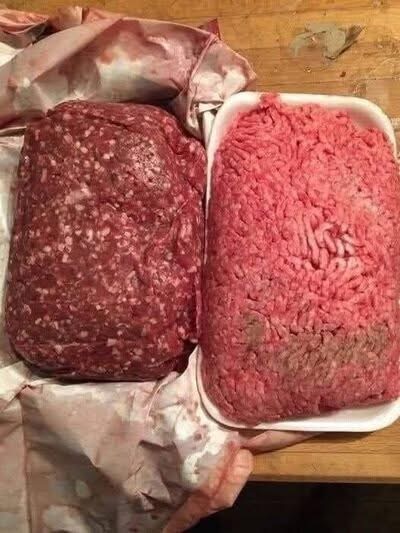
It’s easy to trust what’s printed on neatly packaged meat, but labels and presentation don’t always tell the full story. Words like “fresh,” “premium,” or “natural” are designed to guide choices, yet their meanings can vary by region and brand. The key is not to assume—start by understanding how labeling works and use a few simple checks to make informed decisions every time you shop.
First, look beyond marketing terms and focus on specifics. “Fresh” typically refers to meat that hasn’t been permanently frozen, but handling practices can differ. Check for clear origin information (e.g., “Product of [country]”), packing or processing dates, and storage instructions. Color can be misleading on its own—modern packaging methods are designed to preserve appearance—so use multiple cues such as packaging integrity, temperature, and “use by” guidance rather than relying on color alone.
Next, evaluate value packs and bulk deals with a practical lens. Larger packages can be a good option if you plan to cook or freeze portions promptly, but price alone shouldn’t be the deciding factor. Compare cuts, fat content, and intended use for your recipe. If you’re unsure, ask a store associate or consider buying smaller quantities from a trusted butcher where you can discuss sourcing and handling directly.
Finally, build a simple routine for safe and efficient use at home. Keep meat refrigerated at the proper temperature, cook within recommended time frames, and freeze portions you won’t use soon. When possible, choose retailers that provide transparent information about sourcing and handling. By combining label awareness with smart storage habits, you can shop with confidence and make choices that suit both your budget and your kitchen routine.