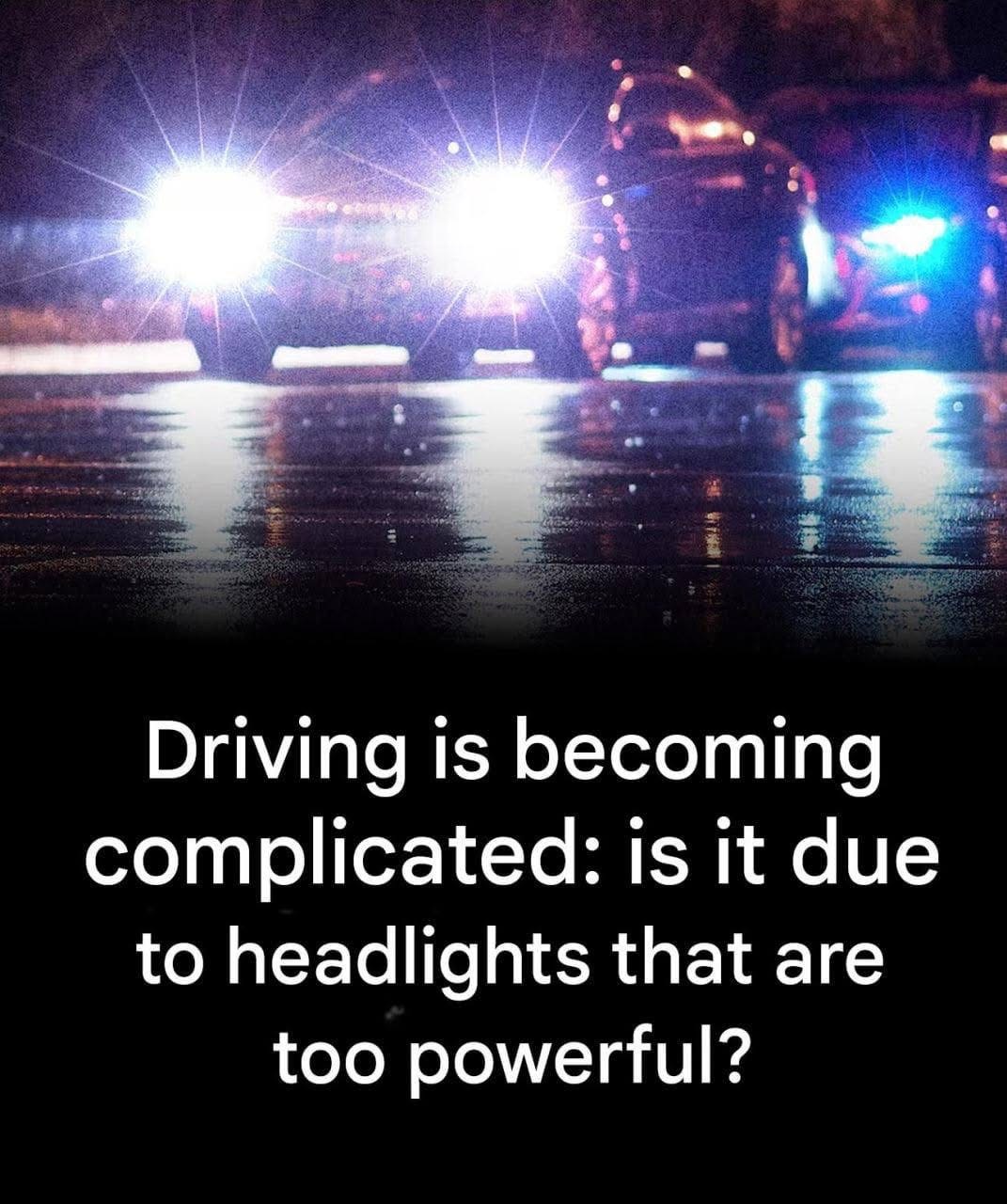
That sudden burst of light can arrive without warning. For a brief moment, the road ahead seems to fade, your hands tighten on the wheel, and an unsettling thought crosses your mind: is your eyesight changing, or have headlights become harder to handle? This experience has become increasingly common, and it often has more to do with modern driving conditions than with vision itself.
A key factor is the evolution of vehicle lighting. Many newer cars use LED headlights, which are designed to illuminate more of the road with a brighter, whiter glow than traditional bulbs. While this improves visibility for the driver using them, the intensity can feel overwhelming to others—especially at night or when eyes are already tired. The color tone of these lights also plays a role, as cooler hues tend to scatter more in low-visibility conditions like rain or fog.
Headlight height and alignment add another layer to the issue. Larger vehicles such as SUVs and trucks sit higher off the ground, placing their beams closer to eye level for oncoming traffic. Even small changes—like a worn suspension, uneven tire pressure, or extra weight in the trunk—can tilt headlights upward, increasing glare. Because misalignment isn’t always obvious, it often goes unnoticed until someone else is affected.
Fortunately, there are practical ways to reduce discomfort. Keeping windshields clean inside and out helps minimize light distortion, and having headlights checked for proper alignment can make a noticeable difference. When facing oncoming glare, focusing slightly toward the right edge of the road rather than directly at the lights can ease strain while maintaining awareness. As adaptive lighting systems continue to improve, night driving is likely to become calmer and more comfortable—helping everyone feel more confident after dark.