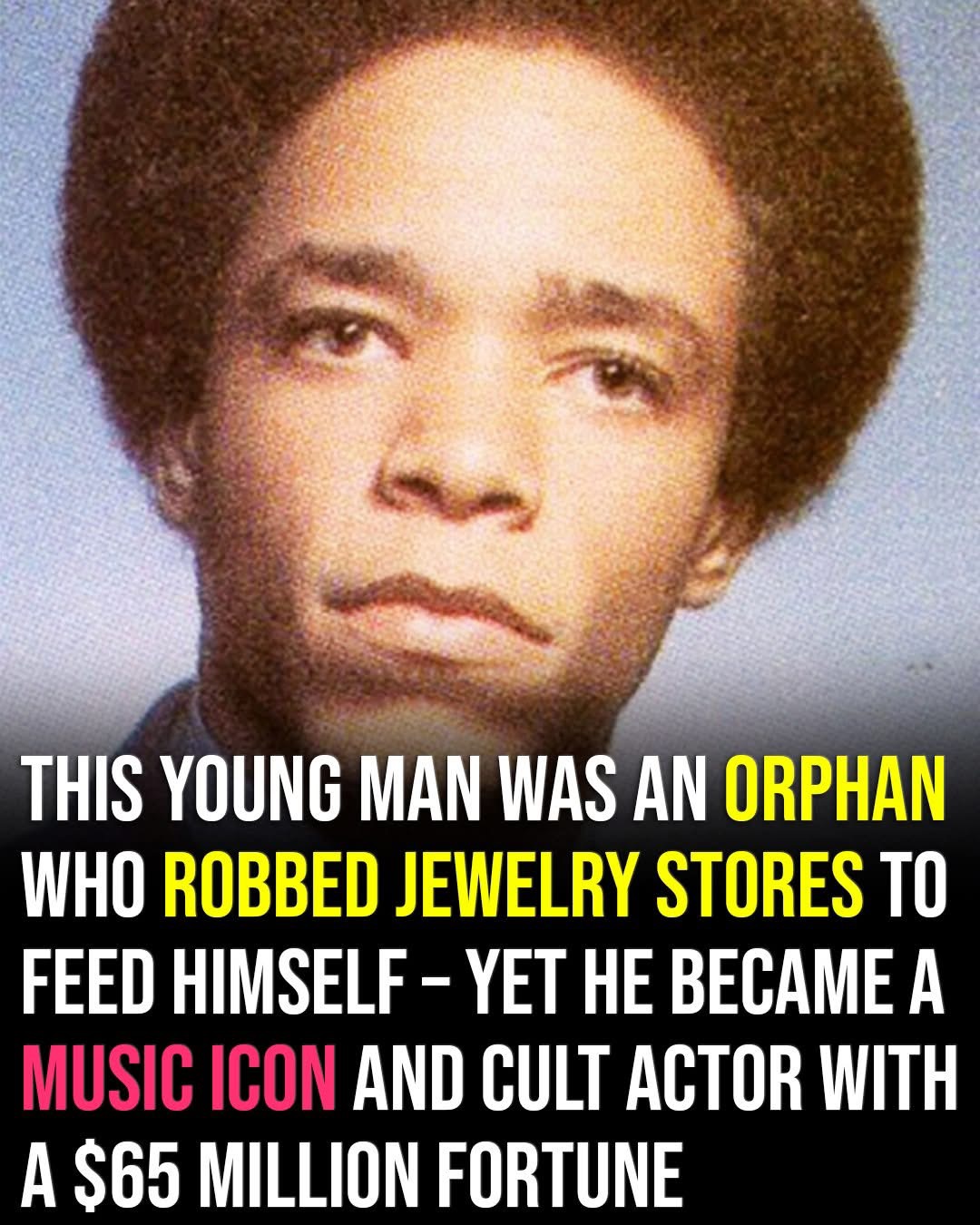
Early life can shape a person in profound ways, especially when stability is lost at a young age. Growing up in Newark, he faced significant challenges after losing both parents before reaching his teenage years. Moving between relatives, he had to adapt quickly, learning how to navigate life without a consistent foundation or clear direction.
As he later experienced life in Los Angeles, the environment introduced him to difficult realities. Economic hardship and social pressures made survival a daily priority, and small missteps began to influence his path. Despite this, he held onto a personal sense of discipline, avoiding certain habits and maintaining a focus on control and long-term ambition.
A short period in the military provided structure, but it wasn’t an immediate solution. The turning point came when he discovered a creative outlet—music. Through writing and performing, he began transforming personal experiences into storytelling, giving voice to challenges and observations that might otherwise have remained unspoken.
That journey eventually led to Ice-T, who built a career rooted in authenticity and growth. Over time, he shifted away from earlier influences and established a more stable life, both professionally and personally. His story highlights how direction can change through discipline, opportunity, and the decision to channel experience into something constructive.