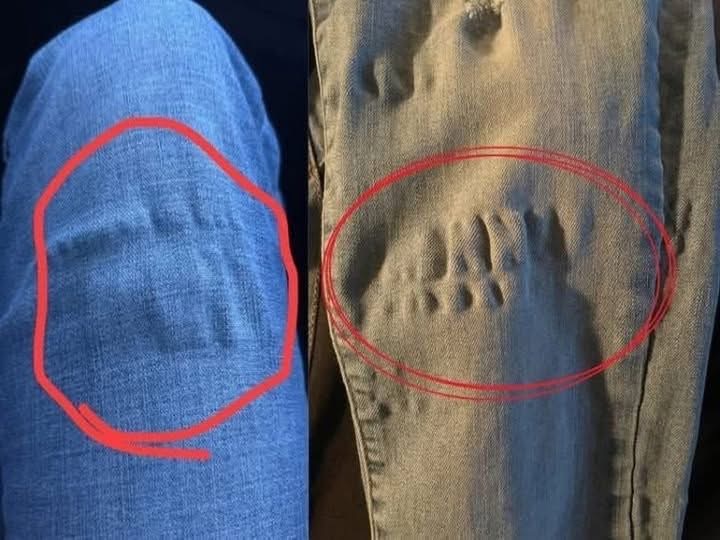
If your jeans come out of the wash looking wavy or puckered, it is usually the result of fabric science rather than chance. Most modern denim is made from cotton blended with a small amount of stretch fiber, such as elastane, to improve comfort and fit. These stretch fibers do not respond well to high temperatures. Hot wash cycles or intense dryer heat can weaken them, which causes the surrounding denim to shift and lose its original structure, leading to permanent ripples.
Washing frequency also plays a major role. Jeans are often cleaned more often than necessary, and repeated washing gradually breaks down the fibers. Over time, this can cause uneven tightening in certain areas instead of a uniform shape. In addition, the physical motion inside a washing machine matters. When jeans are packed too tightly, they twist and pull against themselves, creating stress points that later show up as wrinkles or puckering.
Water absorption adds another layer to the issue. Stretch denim does not soak up moisture evenly, and during drying, different sections contract at different speeds. This uneven drying process can leave behind distorted areas, especially if the jeans dry while bunched or folded. Crowded washers and dryers make this more likely by limiting airflow and preventing the fabric from settling naturally.
To keep jeans looking smooth, choose cold water washes and skip high-heat drying. Letting them air dry is ideal, but if you use a dryer, select a low-heat setting and remove the jeans while they are still slightly damp. Turning them inside out reduces friction, and using a gentle cycle helps preserve the fibers. Most importantly, avoid overloading the machine. With mindful care, jeans retain their shape, feel better to wear, and last significantly longer.