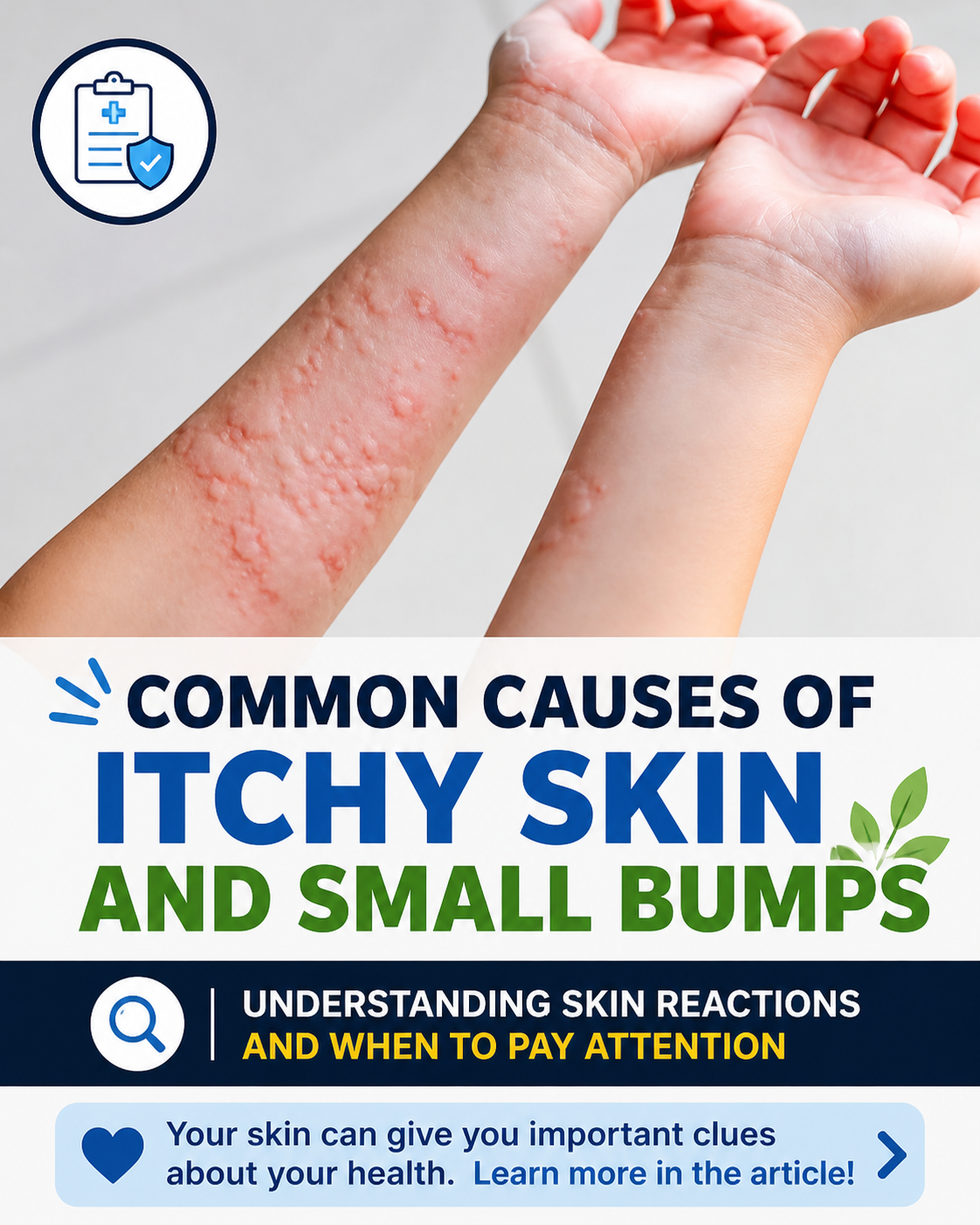
Skin changes such as itching, redness, or raised patches are often dismissed as minor and temporary. In many cases, they are. However, when these signs appear together with breathing discomfort, they may indicate a more serious allergic response that requires prompt attention. The key is not to panic, but to recognize patterns early and respond appropriately, especially when multiple symptoms occur at the same time.
A helpful way to assess the situation is to observe how symptoms present and evolve. Raised, itchy welts—commonly called hives—can appear suddenly and spread across the body. On their own, they are frequently mild and short-lived. When they are accompanied by sensations such as tightness in the throat, wheezing, or unusual shortness of breath, it suggests the body is reacting more broadly. At that point, the focus should shift from simple skin care to overall safety and monitoring.
If breathing becomes affected, taking immediate, practical steps is essential. Contact emergency services without delay and, if available, use a prescribed epinephrine auto-injector according to instructions. Keep the person calm, in a comfortable position, and avoid unnecessary movement while waiting for help to arrive. Acting quickly can reduce complications and supports a safer outcome while professional care is on the way.
Prevention and awareness also play an important role in everyday life. Common triggers may include certain foods, medications, insect stings, or environmental factors, but responses vary from person to person. Keeping track of past reactions, reading labels carefully, and consulting a healthcare professional when needed can help reduce risk. While most skin reactions are manageable, understanding when to act—and doing so promptly—can make a meaningful difference in protecting health.