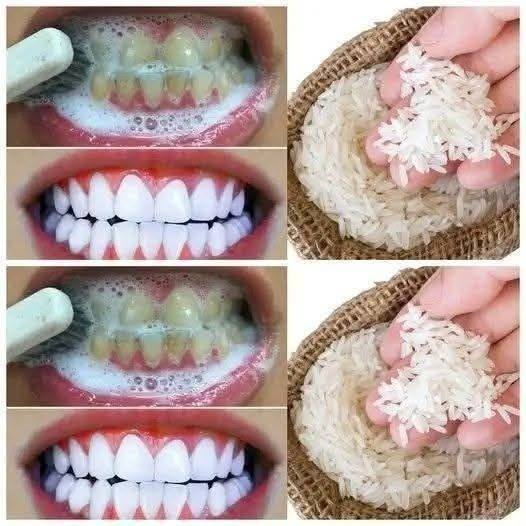
Online trends often promise fast cosmetic results using everyday household items, and recent claims suggest teeth can appear whiter in just a minute with a homemade mixture. These recipes typically combine ingredients like rice flour, lemon juice, olive oil, and toothpaste, followed by a quick brushing. While the idea of instant brightness is tempting, understanding how these ingredients interact with teeth is important before trying any do-it-yourself method.
Each component plays a different role. Rice flour can act as a light abrasive, which may temporarily lift surface residue. Lemon juice contains natural acids that can loosen stains, but those same acids can also soften enamel when used repeatedly. Olive oil is sometimes included due to traditional oral care practices, though its direct effect on whitening is limited. Toothpaste adds familiar cleansing agents and fluoride, which support daily dental hygiene rather than rapid whitening.
Any improvement in appearance from this type of mixture is usually short-lived. The effect comes from surface cleaning rather than a true change in tooth color. Over time, combining acidic and abrasive ingredients may contribute to enamel wear or increased sensitivity, which can actually make teeth appear duller or feel uncomfortable. For this reason, frequent use of such mixtures is generally discouraged.
A more balanced approach focuses on long-term oral health. Using a reputable whitening toothpaste, maintaining proper brushing and flossing habits, and rinsing after consuming staining foods or drinks can help preserve a brighter smile gradually. Crunchy fruits and vegetables also support natural cleaning through increased saliva flow. When in doubt—especially for those with sensitive teeth or dental restorations—professional guidance is always the safest option. Lasting results come from consistent care, not quick fixes.