
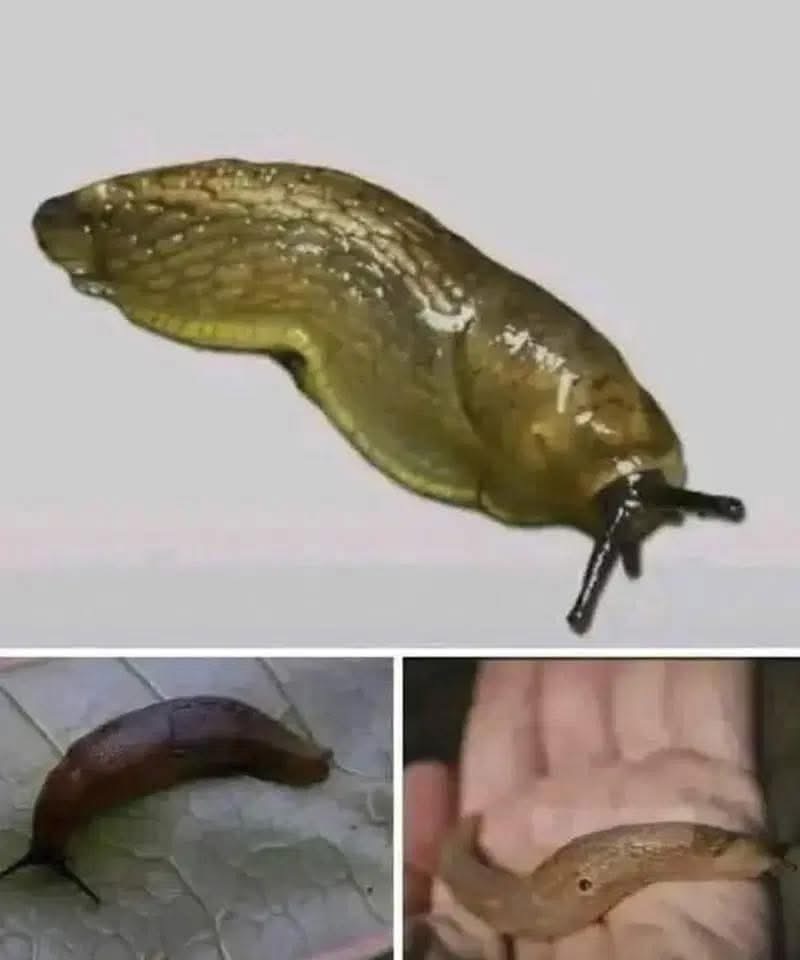
For many people, encountering a slug in the garden brings an immediate reaction of discomfort. These slow-moving creatures are often viewed as pests because they feed on leaves and tender plants. Yet behind their slippery appearance lies an organism that plays an important role in natural ecosystems. Far from being simple garden nuisances, slugs contribute to environmental balance and have even inspired developments in scientific research.
In nature, slugs act as quiet recyclers. They feed on decaying plant material, fungi, and organic debris, helping break down matter that would otherwise accumulate on the forest floor or in gardens. This process contributes to nutrient recycling, allowing essential elements such as nitrogen and phosphorus to return to the soil where plants can use them again. As slugs move through the ground, they also help loosen soil and improve its structure, which can support healthier plant growth.
Slugs also form an important link in the food chain. Because they are slow and soft-bodied, they serve as a food source for many animals, including birds, frogs, small mammals, and other wildlife. Their presence helps support a balanced ecosystem by transferring energy from plants and organic matter to larger animals. Without species like slugs performing this role, many ecosystems would lose a valuable source of nourishment for other organisms.
Interestingly, scientists have also studied slugs for insights that reach far beyond the garden. The unique properties of slug mucus have inspired research into materials that could be useful in medicine and biotechnology, particularly for developing gentle adhesives or studying biological processes. At the same time, certain marine relatives of slugs have helped researchers understand how the nervous system forms and stores memories. These discoveries remind us that even the most overlooked creatures can contribute to scientific understanding and the health of our natural world.