
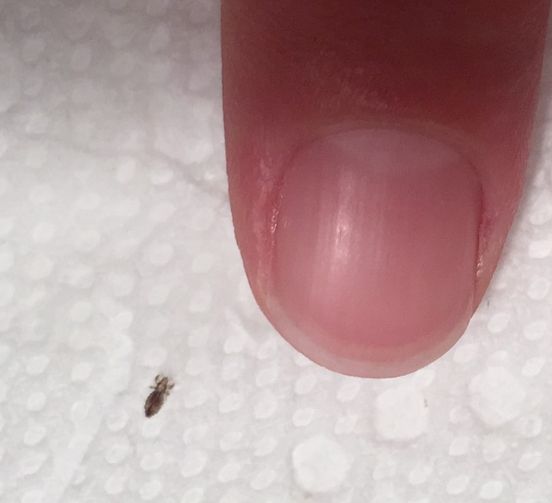
Head lice can be an unwelcome surprise for many families, especially when children spend time in close contact at school or during group activities. These tiny insects spread easily through direct head-to-head contact or by sharing personal items such as hats, brushes, or hair accessories. While dealing with lice can be frustrating and time-consuming, understanding how they spread and how to manage them effectively can make the process much easier.
Lice are very small, wingless insects that live on the scalp and feed on tiny amounts of blood. They lay eggs, commonly known as nits, which attach firmly to hair strands close to the scalp. Although lice are uncomfortable and may cause itching, they are not known to transmit diseases. However, because the eggs can be difficult to remove and lice can survive briefly away from the scalp, careful treatment and cleaning are important.
A common first step in treatment involves using a lice-specific shampoo or lotion designed to eliminate active lice. It’s important to follow the product instructions closely to ensure the treatment works effectively. After applying the treatment, a fine-toothed nit comb can help remove remaining nits and any dead lice. Working slowly through small sections of damp hair and cleaning the comb frequently can make this process more effective.
In addition to treating the hair, cleaning household items helps reduce the chance of reinfestation. Washing bedding, clothing, and hair accessories in hot water is often recommended, while items that cannot be washed can be sealed in a bag for a period of time. Regularly checking the scalp and encouraging children not to share personal hair items can also help prevent future outbreaks and keep households more comfortable.